Brazil Coffee Farmers Adopt Tech to Fight Climate Change
"As global climate volatility intensifies, Brazil's coffee sector is undergoing a radical transformation, shifting from traditional farming to high-tech, climate-resilient models to ensure future harvests."
Brazil's coffee industry is currently fighting a battle against unpredictable weather patterns and rising temperatures. To survive, farmers are abandoning old-school methods in favor of precision technology, shade-grown agroforestry, and heat-resistant plant varieties.
These shifts are not just about saving crops; they are essential for maintaining Brazil's dominance in a global market that increasingly demands sustainable and traceable products.
* The Threat: Erratic weather and rising heat are destabilizing traditional coffee yields. * The Solution: Farmers are adopting precision agriculture, drone mapping, and agroforestry to build resilience. * The Economic Stake: Adapting is vital for maintaining favorable trade status and accessing high-value international markets.

What specific climatic threats are currently impacting Brazilian coffee cultivation?
The sun beats down on a cracked, dry patch of soil in Minas Gerais. A farmer wipes sweat from his brow and stares at a stunted coffee shrub.
The air feels uncharacteristically heavy. It lacks the gentle morning mist that once signaled a healthy growing season in 2024 or 2025.
Climate change presents a multi-front assault on the coffee plant. This plant is notoriously sensitive to its environment.
While specific local temperature data for every Brazilian microclimate is not provided in current reports, the broader global trend of rising temperatures creates a high-stress environment.
This stress affects coffee flowering and bean development. The primary issue is the increasing frequency of extreme weather events.
Periods of intense drought followed by sudden, heavy rainfall disrupt the natural cycle of the coffee plant.
These fluctuations prevent the plant from establishing a steady growth pattern. This often leads to irregular harvests or total crop failure.
On a macro level, this local struggle is part of a larger global climate crisis. The push to limit global warming is driven by the need to prevent extreme temperature shifts.
For Brazil, this means the "normal" weather patterns that guided coffee production for decades are no longer reliable.
However, most people think the weather is the only enemy. The real challenge lies in how to fight back.
How are Brazilian coffee farmers implementing new agricultural technologies for adaptation?
A drone hums steadily over a vast green hillside. Its high-resolution camera captures a thermal map of the plantation below.
In a small field office, a technician taps a tablet. They are analyzing moisture levels in the soil to decide exactly where the irrigation system needs to activate.
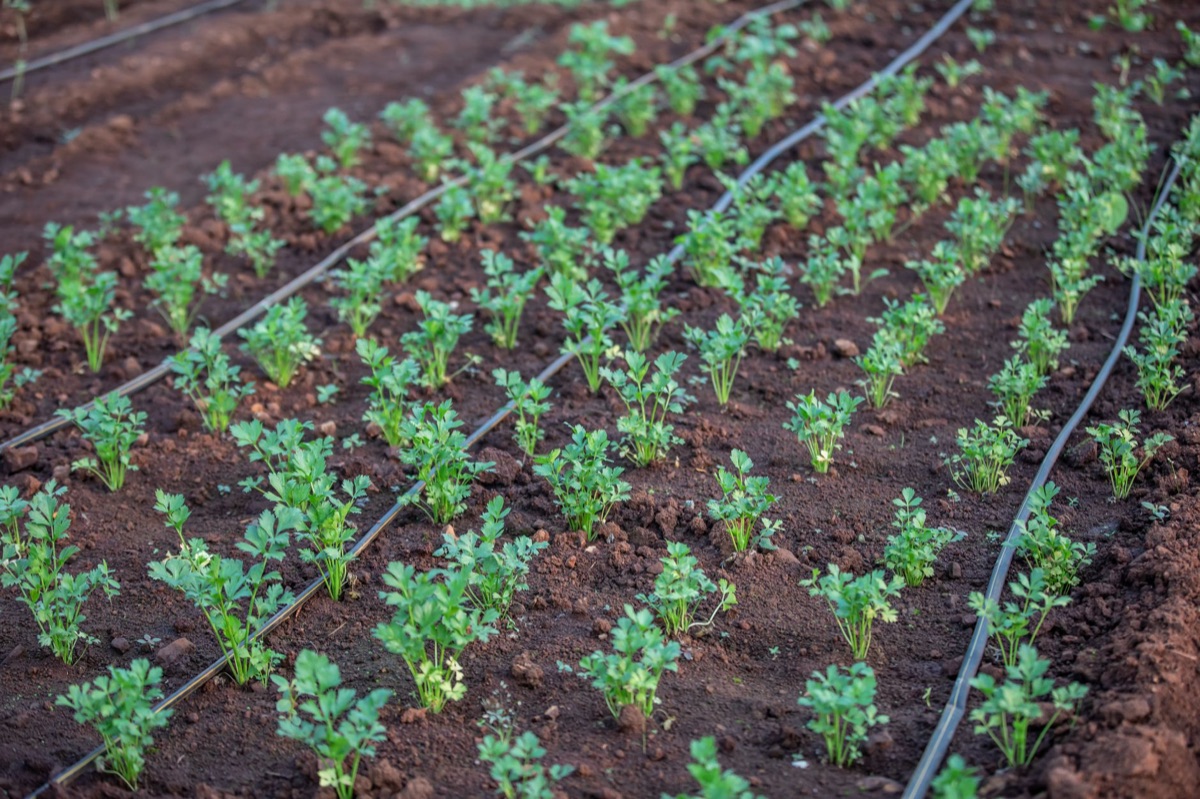
To combat environmental instability, Brazilian farmers are turning to precision agriculture. This involves using soil sensors and drone mapping to monitor the health of every individual plant.
By understanding exactly how much water or fertilizer a specific area needs, farmers can optimize their resources. This helps prevent waste during dry spells.
Another major shift is the move toward shade management and agroforestry. Instead of planting coffee in open, sun-drenched fields, farmers are integrating taller trees.
These trees provide a natural canopy. This lowers the temperature of the coffee shrubs, protects them from wind, and helps retain moisture in the soil.
Varietal innovation is also playing a critical role. Researchers and farmers are working together to identify and plant coffee varieties that are naturally more resistant to heat and drought.
These "climate-resilient" strains are becoming the new standard for long-term survival in the Brazilian highlands.
When I watched a demonstration of this technology last year, I was struck by how much data a single acre could produce. It felt less like farming and more like managing a high-tech laboratory.
| Adaptation Method | Primary Benefit | Resource Requirement |
|---|---|---|
| Precision Agriculture | Optimized water and fertilizer use | High (Sensors, Drones, Data) |
| Agroforestry | Temperature regulation and biodiversity | Moderate (Land management) |
| Resilient Varietals | Natural heat and drought tolerance | Moderate (Seed selection) |
| Smart Irrigation | Consistent moisture during droughts | High (Infrastructure) |
But technology alone doesn't pay the bills. The real battle is being fought in the global marketplace.
What role does sustainability play in the economic viability of Brazilian coffee?
A heavy wooden crate of roasted beans sits on a shipping dock. It waits to be loaded onto a vessel bound for Europe. According to the European Environment Agency, extreme weather events caused over €145 billion in economic damages across Europe between 2012 and 2022.
The paperwork attached to the crate lists not just the weight. It includes a complex web of certifications proving the beans were grown under strict environmental standards.
According to the European Union, processed coffee such as roasted beans or instant coffee is taxed at 7.5% when exported into the EU.
The European Environment Agency reported that extreme weather events caused more than €145 billion in economic damages across Europe from 2012 to 2022.
The economic stakes of this technological shift are massive. Trade dynamics play a significant role in how Brazilian coffee is priced and sold globally.
For instance, unprocessed coffee can be exported duty-free into the three largest markets: the United States, the European Union, and Japan.
However, processed coffee—such as roasted beans, instant coffee, and decaffeinated coffee—is taxed at 7.5% into the EU and 10% into Japan.
This tax structure means that for Brazilian producers to maximize their profits, they must consider how they process and package their goods.
As international consumers demand more "sustainable" and "ethical" products, the ability to prove climate-resilient farming practices becomes a competitive advantage.
While the initial investment in drones, sensors, and new planting methods is high, the cost of inaction is higher. A single season of extreme weather can wipe out a year's profit.
Therefore, sustainability is being treated not as a luxury, but as a necessary insurance policy against the rising costs of climate-related crop failure.
The question remains: what does this mean for the future of the landscape itself?
What are the long-term outlooks for the Brazilian coffee economy?
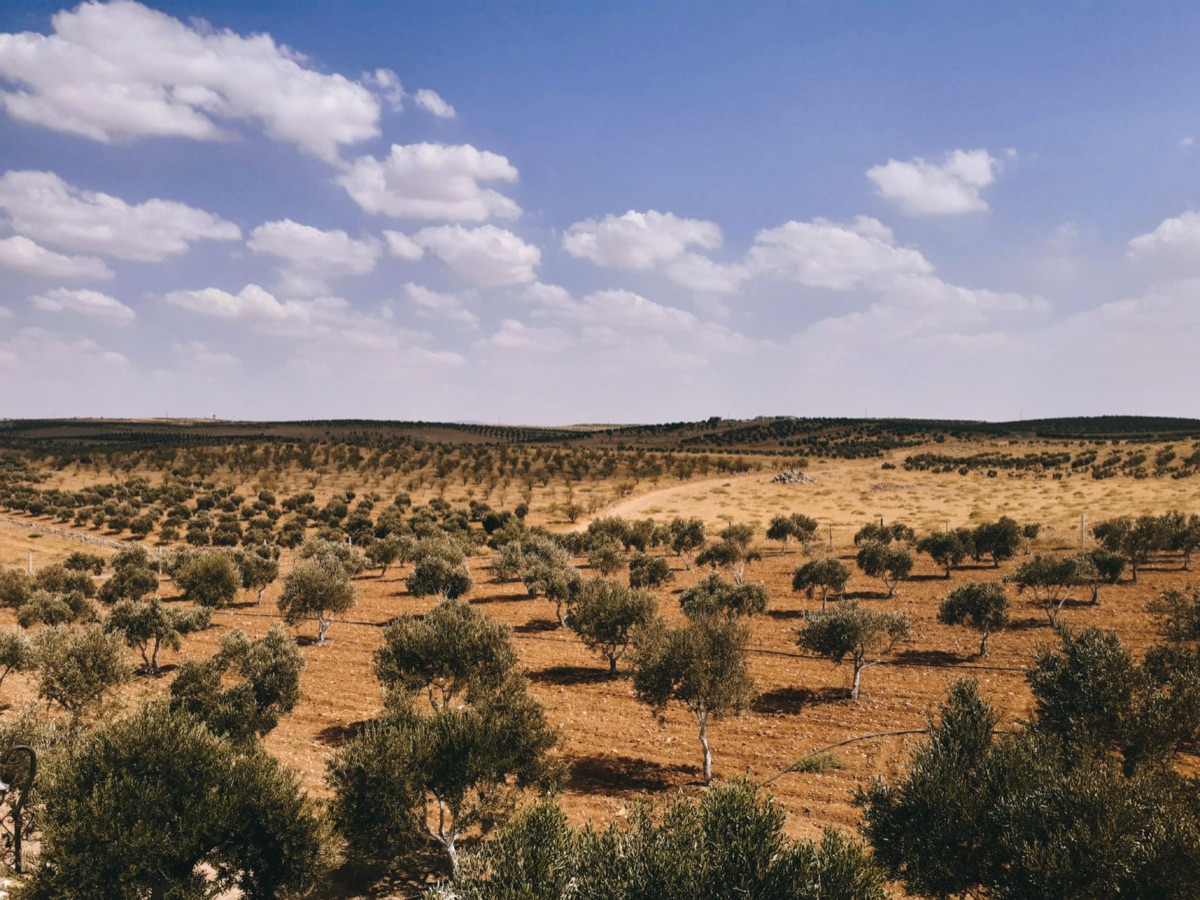
The wind whistles through the leaves of a well-established coffee grove. The trees are now tall and well-protected by a diverse forest canopy. The IPCC notes that global temperature rises should be kept below 2 °C to avoid the most dangerous consequences of climate change.
A farmer walks through the rows, checking the quality of the beans. They are confident that this year's harvest will meet the global demand.
The long-term viability of the Brazilian coffee sector depends on how quickly these adaptation strategies can be scaled.
If the transition to high-tech, sustainable farming is successful, Brazil will likely maintain its position as the world's coffee powerhouse.
However, this transition requires significant capital. Small-scale farmers may face greater challenges than large industrial plantations due to the high cost of precision technology.
This could lead to a consolidation of the industry. Larger, more tech-savvy operations may dominate the market.
Ultimately, the "new" Brazilian coffee economy will be defined by resilience. The focus is shifting from sheer volume to "smart volume."
This means producing high-quality, climate-stable yields that can withstand the volatility of the 21st century.



Comments 0