Brazil forest protection aid: Guide to climate pacts
"The preservation of the Amazon is not merely a local concern but a global necessity for climate stability."
Brazil forest protection aid relies on a complex interplay of international funding, renewable energy transitions, and strict land-use regulations to mitigate the impact of deforestation. This guide explores how economic incentives and global climate pacts work together to protect vital ecosystems.
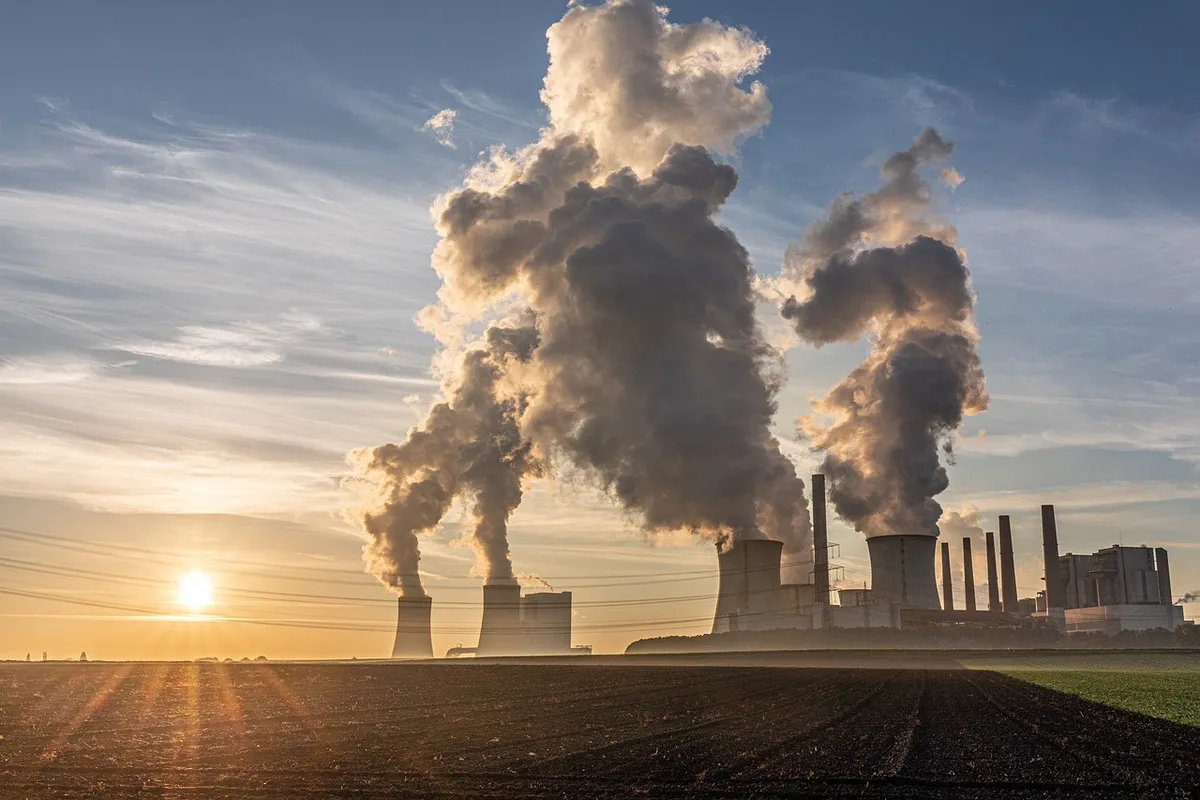
Key takeaways include the importance of managing carbon sinks, the role of renewable energy in reducing emissions, and the necessity of international financial cooperation to prevent forest loss.
How can global climate pacts influence Brazil forest protection aid?
At dusk, the researcher stares at the glowing screen in her office, tracing the shifting boundaries of the brazil canopy.
A researcher examines a digital map of the Amazon, watching the shifting boundaries of green canopy and cleared land. Global strategies for forest carbon often involve large-scale financial transfers to prevent the loss of high-biodiversity areas.
In 2006, Brazil proposed a direct finance project to address the Reduced Emissions from Deforestation and Degradation in Developing Countries (REDD) issue, acknowledging that deforestation contributes to 20% of the world's greenhouse gas emissions.
These international climate cooperation Brazil efforts aim to provide financial support to developing nations that successfully reduce their deforestation rates. Effective forest preservation global ties require balancing local economic needs with the global necessity of maintaining carbon sinks.
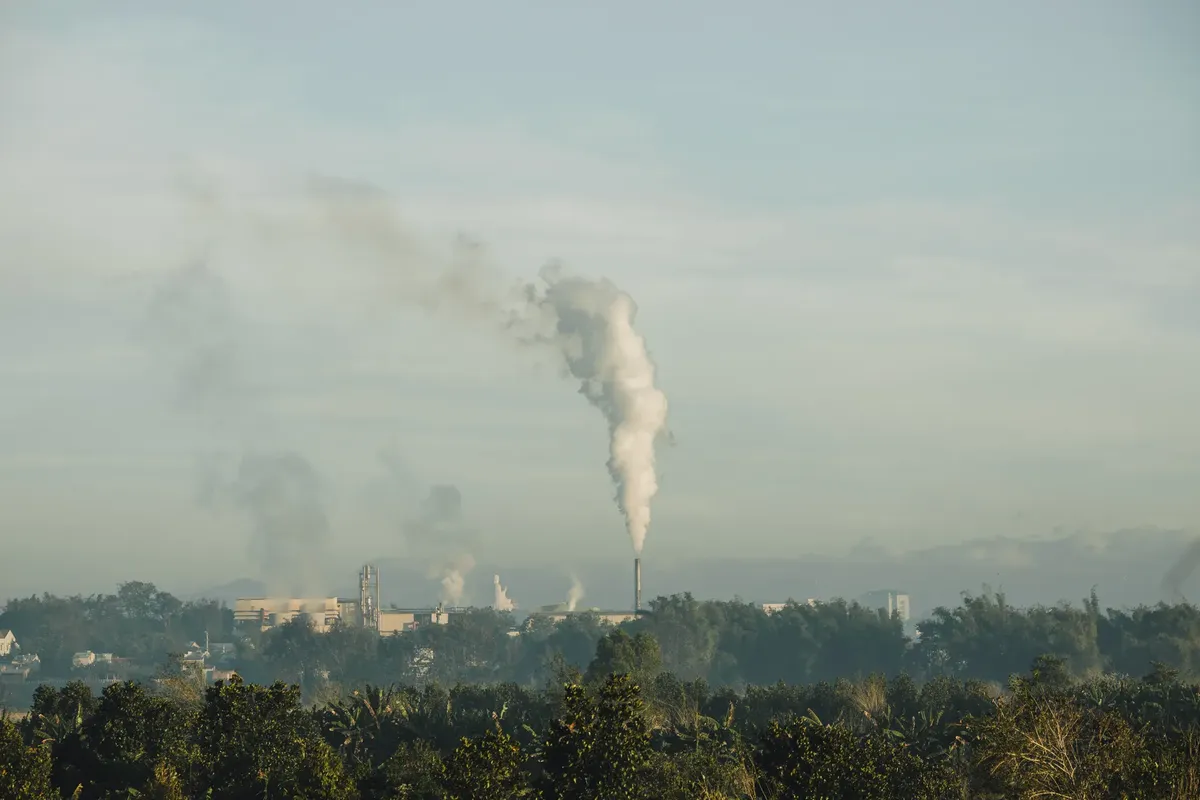
Can renewable energy help stop forest loss? An engineer monitors a large-scale sugarcane processing facility, where the scent of fermenting juice fills the air. Transitioning to cleaner fuel sources provides an alternative to land-clearing for traditional energy needs.

According to the EPA, modeling shows that sugarcane ethanol from Brazil reduces greenhouse gas emissions as compared to gasoline by 61%, using a 30-year payback for indirect land use change (ILUC) emissions.
This shift toward bioenergy represents a significant portion of the country's energy profile. According to World Bank data, Brazil recorded a renewable energy share of final consumption of 46.5% in 2021.
Such energy transitions serve as a vital component of a global strategy for forest carbon by reducing the pressure to expand agricultural land for fossil fuel-related needs.
Is the Amazon still a reliable carbon sink?
A scientist collects soil samples in a humid, shaded portion of the forest, noting the temperature rise. The delicate balance between tree growth and decomposition determines whether a forest helps or hurts the atmosphere.
The status of the Amazon as a carbon sink is under threat from changing environmental conditions. According to NOAA Research, deforestation and warming can flip part of the Amazon forest from a carbon sink to a source.
This shift complicates economic incentives for tree cover, as the loss of carbon sequestration capacity accelerates global warming. Maintaining the forest's ability to absorb carbon is essential to ensure that conservation efforts yield long-term climate benefits.
What are the primary economic incentives for tree cover?
A local farmer walks through a managed plot of trees, checking the health of the saplings. Developing sustainable livelihoods provides a way to protect nature while supporting the community.
Economic stability in rural areas is closely tied to how land is managed. Between 2005 and 2006, there was a 41% drop in deforestation; nonetheless, Brazil still had the largest area of forest removed annually on the planet.
Creating sustainable value through carbon credits or eco-tourism can provide the necessary Brazil conservation funding to keep forests standing. These mechanisms attempt to make the living forest more valuable than the land cleared for cattle or crops.
How can we implement effective forest management?
A forest ranger patrols a dense thicket, checking for signs of illegal clearing or fire. Managing vast territories requires a combination of policy, community involvement, and rapid response.
Effective management involves several practical steps to secure the landscape.
- Implement strict seasonal bans on forest clearing using fires to prevent uncontrolled spread. 2. Establish direct finance projects that reward local communities for forest preservation. 3. Integrate satellite monitoring to detect illegal logging in real-time.
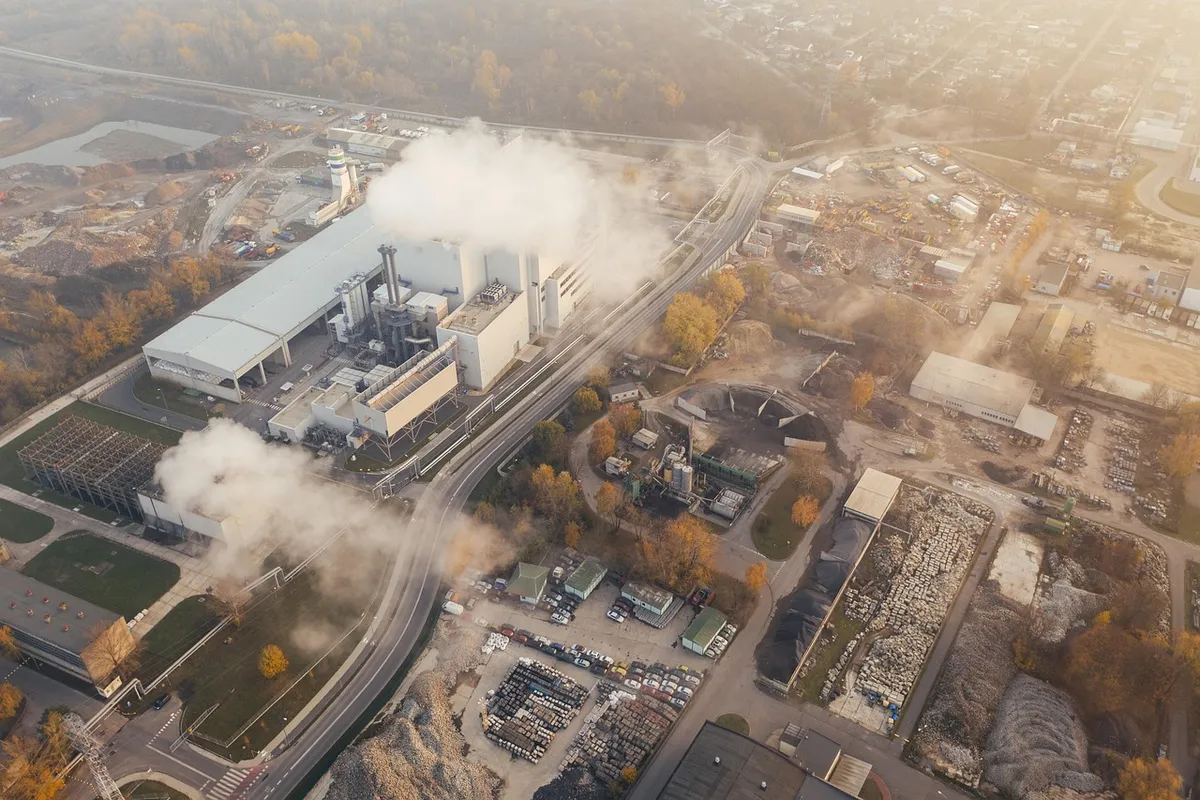
A final check of these measures ensures that enforcement matches the scale of the ecological importance. My own observation of these policy shifts suggests that without consistent enforcement, even significant funding can fail to stop land-use changes.
- How can global climate pacts influence Brazil forest protection aid?
- Can renewable energy help stop forest loss?
- Is the Amazon still a reliable carbon sink?
The subject here is Brazil forest protection aid.
The same subject is also called Climate change forest pacts.
The same subject is also called Carbon sink international deals.
Related
- Brazil currency history analysis: Tips on banknote design
- TikTok Brazil US child data rules guide platform compliance
What are the risks of losing the Amazon carbon sink?
Losing the Amazon carbon sink capacity creates a feedback loop where warming accelerates. If the forest flips from a sink to a source, the global necessity for climate stability becomes even more urgent.
This transition would undermine the effectiveness of international financial cooperation and carbon credit mechanisms designed to reward forest preservation.
How do economic incentives compare to land-clearing profits?
Economic incentives aim to make the living forest more valuable than cleared land. While cattle or crop production provides immediate income, carbon credits and eco-tourism offer alternative ways to support local communities.
This comparison is vital for balancing local economic needs with the global necessity of maintaining carbon sinks.
- Compare the immediate revenue from land clearing against the long-term value of carbon sequestration. 2. Evaluate the stability of eco-tourism versus traditional agricultural income. 3. Assess how international funding can offset the loss of income from reduced land use.
FAQ
Can the Amazon forest recover its carbon sink status?
How much does ethanol reduce emissions?
Related posts




Popular posts

93.3% Achieved: Brazil's Health Right vs. Potential Gap

Amazon 91%: How much forest loss fuels commodity demand

Amazon deforestation conflict: Tips for Amazon best growth
Comments 0