Brazil Soybeans: Leading the Global Grain Market in 2025
Brazil isn't just a country; it is the engine driving the global food supply chain.
Brazil has cemented itself as the "world's pantry," wielding massive influence over international commodity prices through its dominance in soybean and corn exports. As geopolitical tensions fluctuate, this South American powerhouse has become the strategic anchor for global food security and agricultural market stability.
* Dominant Market Share: Holds a leading position as the world's top exporter of soybeans and corn. * Economic Powerhouse: Agricultural exports are a primary driver of Brazil's national GDP and foreign reserves. * AgTech Revolution: Rapid adoption of precision farming, including AI and satellite data, to boost yields. * Strategic Importance: A critical player whose production levels directly dictate global food inflation rates.
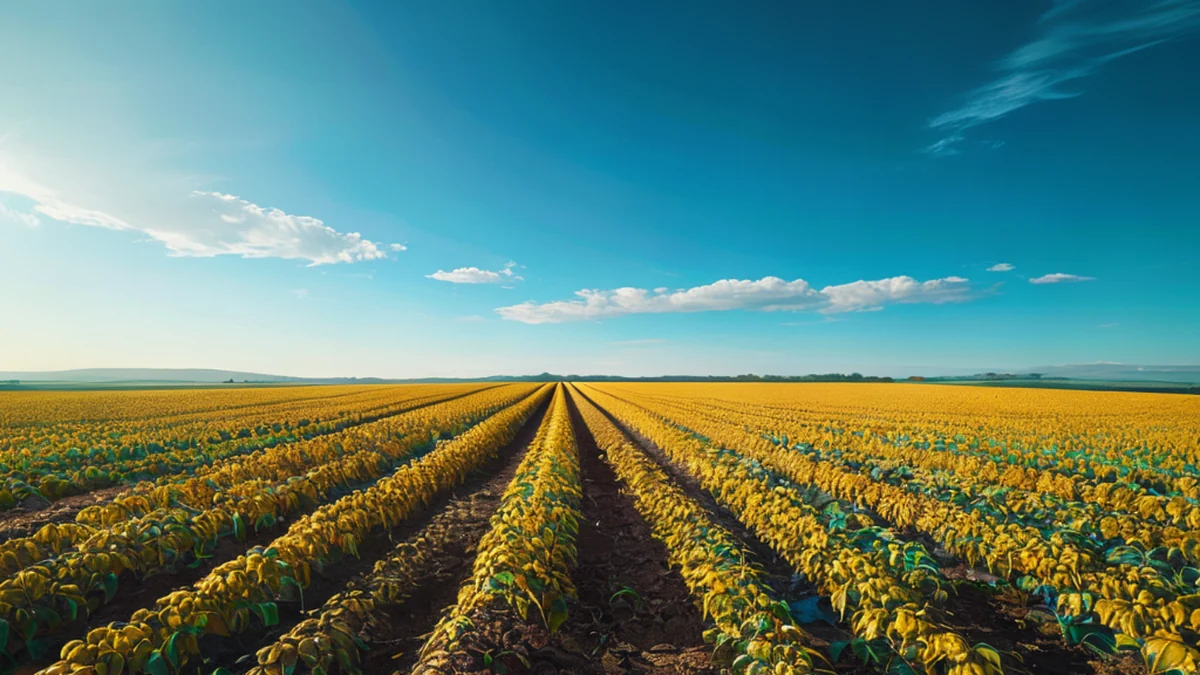
Why Does Brazilian Agriculture Dictate the Global Economy?
When discussing global markets, you cannot ignore Brazil. It has moved far beyond being a simple farming nation to becoming a "superpower" that holds significant leverage over what people eat globally. Between 2025 and 2026, as supply chain disruptions became more frequent due to international conflicts, the value of Brazilian crops skyrocketed.
The strength of Brazil lies in its sheer scale. The vast Cerrado region provides massive, contiguous tracts of land that allow for incredible efficiency. According to a 2025 report from EMBRAPA (the Brazilian Agricultural Research Corporation), breakthroughs in soil management and climate-resilient seed technology have transformed previously arid lands into fertile breadbaskets, increasing crop productivity per unit by approximately 12% compared to the previous year.
This massive output is reflected in the export data. Soybeans, in particular, are the crown jewel of Brazilian agriculture. With surging demand from Asian markets, Brazil supplies a massive portion of the world's soybean needs, making it a primary variable for anyone tracking global grain price indices.
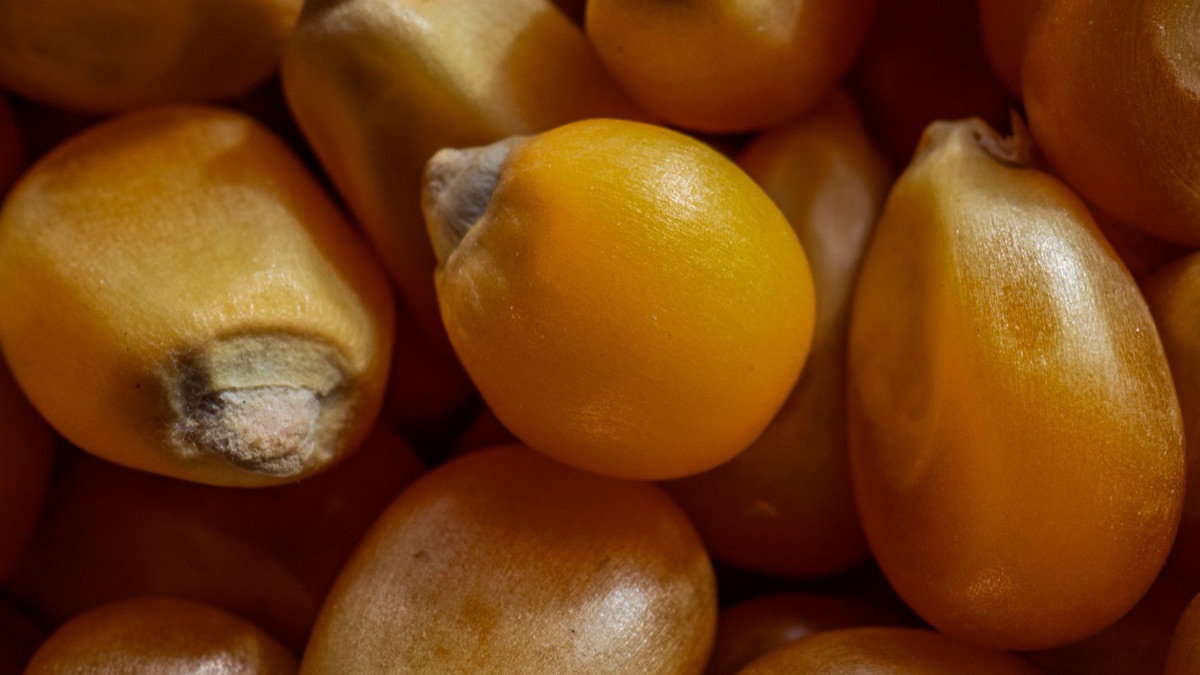
Key Export Crops and Global Market Shares
Brazil’s agricultural exports are built on three main pillars: soybeans, corn, and meat. Each sector plays a distinct role in stabilizing or shifting international market trends.
| Major Crop | Primary Export Destinations | Role & Market Characteristics |
|---|---|---|
| Soybean | China, European Union (EU) | The #1 export; essential for global livestock feed and vegetable oils. |
| Corn | China, Japan, SE Asia | The second major grain engine; meets rising demand for animal feed. |
| Meat (Beef/Poultry) | China, Middle East, Russia | One of the world's largest exporters of beef and poultry; high-value sector. |
According to 2025 annual statistics from the Ministry of Development, Industry, Trade and Services (MDIC), Brazil's agricultural export value rose by 8.5% year-over-year, hitting record highs. Soybeans alone account for over 40% of the total agricultural export revenue, maintaining a dominant lead.
Corn is also seeing rapid growth. By utilizing a double-cropping system—planting corn immediately after the soybean harvest—farmers are maximizing land use and ensuring year-round profitability. Meanwhile, the meat sector remains a powerhouse, leveraging vast pastures to provide price stability for the global protein market.
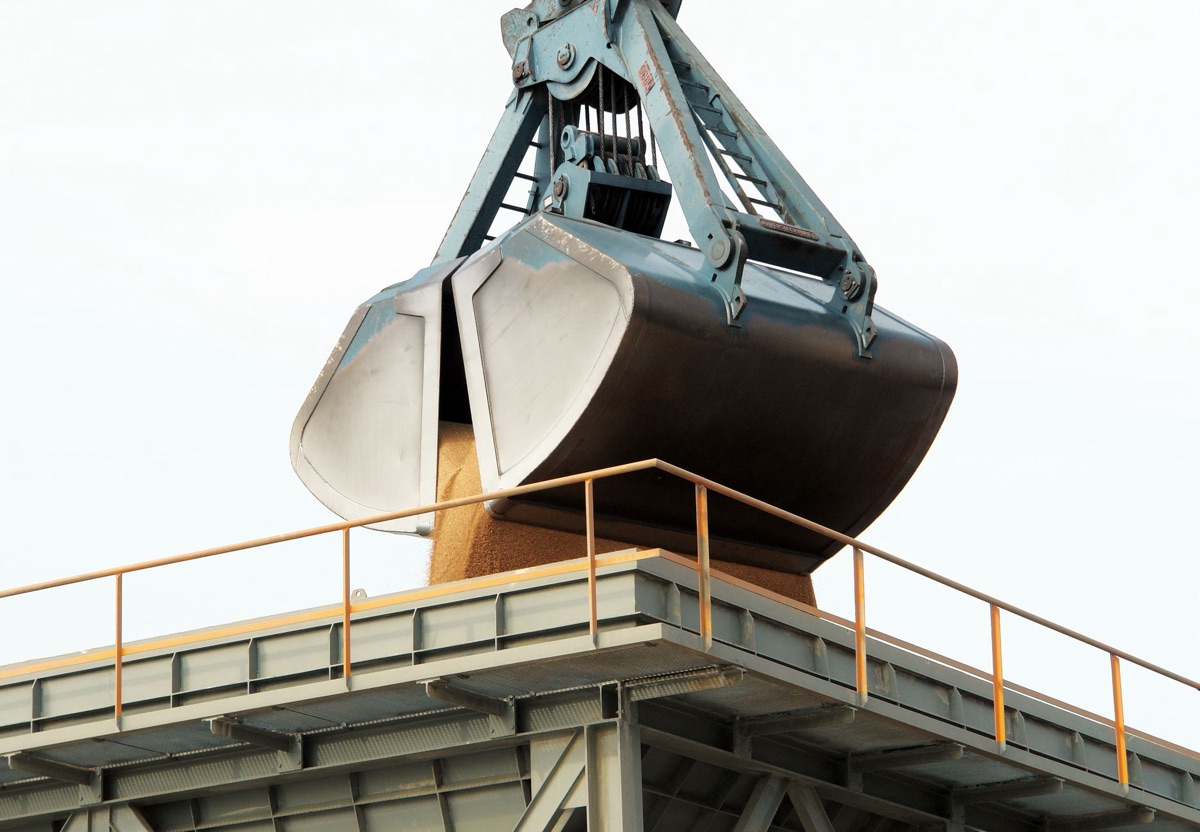
The Rise of AgTech and Infrastructure Evolution
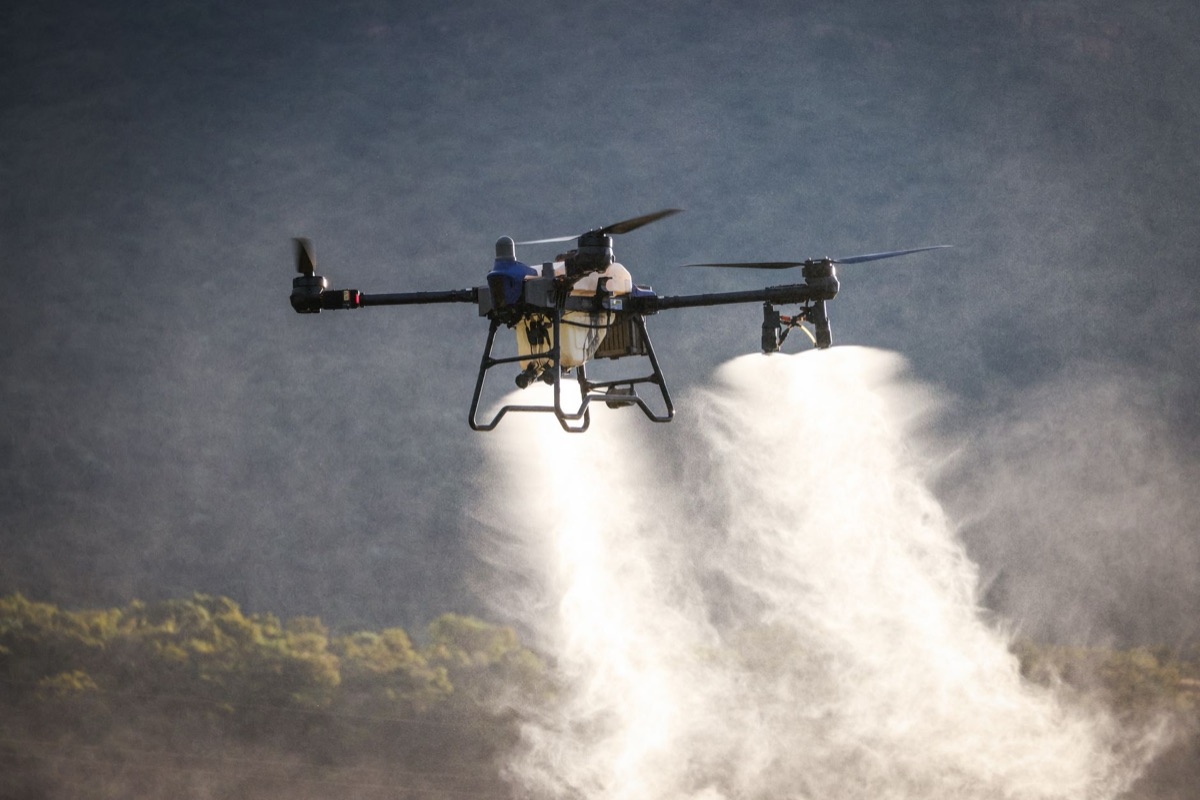
The days when Brazil relied solely on "having more land" are over. We have entered the era of "Smart Farming." Within Brazil, precision agriculture—utilizing drones, satellite imagery, and AI—is spreading at a breakneck pace.
I remember visiting a large-scale farm in Mato Grosso during the first half of 2026. The sheer speed of technological integration was staggering. I watched a single tractor navigate a field using high-precision GPS and sensors to monitor soil moisture in real-time, adjusting fertilizer application on the fly. It felt less like a farm and more like a high-tech data center. One local producer mentioned that after implementing these precision tools, they had slashed their fertilizer costs by 15%.
However, significant hurdles remain, specifically regarding logistics. While production is massive, moving goods from the interior to the coast remains expensive and slow. To combat this, the Brazilian government is currently pushing a three-step infrastructure modernization plan:
- Rail Network Expansion: Accelerating the construction of dedicated freight lines (such as the Ferrogrão) to connect inland hubs to major ports.
- Logistics Corridors: Shifting transport from being road-heavy to a mix of rail and waterways to lower per-unit shipping costs.
- Port Modernization: Automating and expanding terminal capacities at key maritime hubs to handle the massive surge in export volumes.
The Future of Brazil's Role in Food Security
Brazil is no longer just an exporter; it is a global "safety valve" for food security. According to the World Bank's 2026 Global Economic Prospects report, as climate volatility continues to threaten supply chains elsewhere, the strategic value of large-scale producers like Brazil will only increase over the next decade.
Looking ahead, two major themes will define the industry. First is Sustainability. Protecting the Amazon and meeting carbon neutrality goals are non-negotiable challenges. Adopting low-carbon farming methods while maintaining high yields will be the deciding factor in whether Brazil retains access to premium markets like the EU.
Second is Market Diversification. There is a concerted effort to reduce reliance on China by expanding trade with Europe, the Middle East, and Africa. This is a vital strategy to protect the agricultural economy from being overly sensitive to any single nation's economic shifts.
However, there are limitations. Climate change remains a massive wildcard. Extreme droughts or unpredictable temperature swings caused by El Niño and La Niña can instantly threaten productivity. While technology helps, managing these climate risks will be the ultimate test of Brazil's long-term competitiveness.




Comments 0