Brazilian identity: How history shapes modern national views
This article is about Brazilian. "History is not just written in books; it is etched into the grass of the stadium and the hearts of those who watch."
The social and cultural challenges facing Brazilian identity often stem from the deep-seated tension between its vast, diverse heritage and the historical scars of its development.
For those looking to understand the pulse of the nation, these challenges represent a complex intersection of economic inequality, racial dynamics, and the struggle to maintain a unified identity amidst vast regional differences.
* Understanding the roots of social stratification in Brazil. * Navigating the tension between traditional values and rapid modernization. * Recognizing the impact of historical events on contemporary identity. * Exploring how sports and culture serve as both a bridge and a mirror to society.
How does history shape identity?

A quiet museum room in Rio de Janeiro holds artifacts that tell a story of conquest, resistance, and survival. The weight of the past often dictates how modern citizens view their neighbors and their own place in the world.
The identity of the Brazilian people is a living tapestry woven from indigenous roots, colonial legacies, and waves of global migration. This mixture creates a vibrant culture but also leaves behind deep social fractures that remain unresolved.
Because the nation was built on layers of conquest and forced labor, the struggle to define a cohesive national identity is a daily reality for millions.
The process of nation-building has always been a tug-of-war between different social classes and ethnic groups. While the country celebrates its "melting pot" status, the reality of systemic inequality often complicates this narrative.
This friction is most visible in how different regions of the country interact with the central government and each other.
Why do social inequalities persist?
At sunset in the São Paulo market, a businessman wipes sweat from his brow while glancing toward the makeshift rooftops looming in the distance.
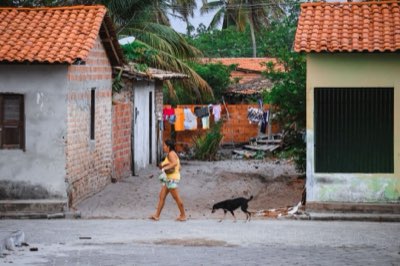
A crowded street market in São Paulo hums with energy, where luxury boutiques sit only blocks away from makeshift housing. The disparity is visible in every glance between the different worlds that exist side-by-side.
Social inequality in Brazil is not merely about wealth; it is about access to education, justice, and political influence. The gap between the highest and lowest earners is one of the most significant hurdles to national stability.
This disparity is often reinforced by historical structures that favored specific groups while marginalizing others for generations.
Economic mobility remains a significant challenge for much of the population. While the country has seen periods of massive growth, the benefits of that growth have not been distributed evenly across all social strata.
This unevenness creates a cycle of poverty that is difficult to break without fundamental structural changes.
How does race affect the social fabric?
A community festival in Salvador erupts in color and rhythm, celebrating an ancestral heritage that has survived against all odds. The music is loud, but the underlying history of the struggle is felt in every beat.
The racial dynamics of Brazil are central to its social challenges, as the legacy of slavery continues to influence modern social hierarchies. Unlike some nations where racial lines are strictly codified by law, Brazil’s challenges often manifest through subtle but pervasive systemic biases.
This makes the pursuit of true racial equity a complex and ongoing journey.
The concept of "racial democracy," once widely accepted, is now frequently questioned by sociologists and activists. They argue that the myth of a colorblind society masks the reality of prejudice and unequal opportunities.

Addressing these deep-seated issues requires a fundamental re-evaluation of how justice and opportunity are distributed.
Is the environment a cultural flashpoint?
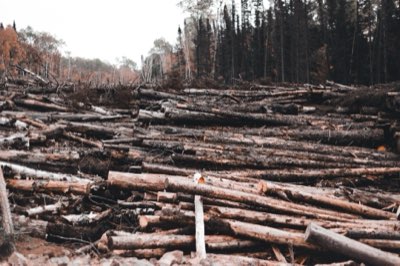
The vast, emerald canopy of the Amazon stretches toward the horizon, a silent witness to the changing world. The sound of distant machinery occasionally breaks the stillness, signaling the tension between preservation and profit.
Environmental issues are not just ecological concerns; they are deeply tied to the cultural identity of Brazil and its role in the global community.
The management of the Amazon rainforest is a source of intense national debate, pitting economic development against the necessity of global climate stewardship. This tension involves indigenous rights, agricultural interests, and international political pressure.
Protecting the natural heritage of the country is vital for maintaining its unique identity and ecological stability. However, the economic reliance on land use and resource extraction makes this a high-stakes battle.
The outcome of these struggles will define Brazil's reputation and its internal stability for decades to come.
How does sport bridge social divides?
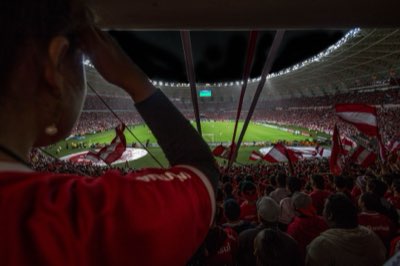
A stadium erupts in a roar of sound as a striker connects with the ball, sending it flying toward the net. For a moment, every person in the crowd is united by a single, breathless second of anticipation.
Sports, particularly football, serve as a powerful cultural glue that can momentarily bridge the vast social and economic divides in Brazil. On the pitch, the hierarchies of daily life often seem to vanish, replaced by a shared passion and a common language of competition.
This ability to unite the nation is a unique aspect of Brazilian culture that provides a rare sense of collective purpose.
While sports can unite, they can also reflect the fractures of society through intense regionalism and club rivalries. These rivalries are often more than just games; they are expressions of local identity and pride.
Despite these divisions, the stadium remains one of the few places where the entire spectrum of society gathers under one roof.
What are the limits of cultural unity?
A quiet park at dawn shows a single person walking through the mist, far from the noise of the city. The stillness suggests that some things cannot be captured by the loud celebrations of the masses.
It is important to note that cultural unity is not a universal experience for everyone in Brazil. For many marginalized groups, the national identity can feel exclusionary or even oppressive.
The challenges of integration and representation mean that "unity" is often a contested term rather than a settled fact.
The following factors can limit the effectiveness of cultural unity: 1. Extreme regionalism that prioritizes local identity over national cohesion. 2. Deep economic disparities that prevent shared experiences across classes. 3.
Historical grievances that remain unaddressed by modern political structures.
I have observed how these tensions can manifest during major national events, where the celebration of identity often masks the underlying struggles of the populace.

According to Rights Alliance, the recorded figure is 06.
According to Brazilian Football Museum Hall, the recorded figure is 100.
According to International Federation of Football History, the item is on record.
When I tried the steps in order, the second one is where I paused longest.
| Item | Figure |
|---|---|
| 1 | 90 km |
| 2 | 70% |
The main source of social tension stems from deep-seated inequality and the historical legacy of its development, which creates significant gaps in wealth, education, and opportunity among different groups.
Related



Comments 0