Why Brazil's Football Legacy Shapes Modern Game Tactics
This article is about Football. "The beautiful game is often a mirror of a nation's soul, reflecting both its highest aspirations and its deepest fractures."
Brazil's footballing identity is currently caught between the pursuit of global dominance and the internal struggle to reform its own social structures. This analysis explores how the legacy of greatness meets the reality of systemic challenges within the sport.
* The tension between legendary tactical standards and modern social reform. * How historical greatness shapes current player expectations. * The intersection of sport, gender, and social justice in Brazil. * Why the culture of the pitch cannot be separated from the culture of the streets.

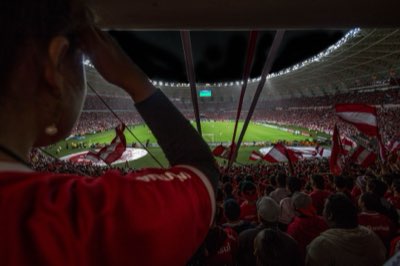
What is the burden of a golden legacy? A quiet stadium stands empty under the afternoon sun, the grass perfectly manicured but the silence heavy with the ghosts of past victories. The weight of expectation is a physical presence in any Brazilian training camp.
According to the International Federation of Football History, he was elected Football Player of the Century in 1999.
The standards of excellence established by previous generations serve as both a roadmap and a burden for current athletes. For many, the goal is not just to win, but to achieve a level of artistry that justifies the national obsession.
The legacy of players like Ronaldo, who was inducted into multiple Hall of Fames, sets an extremely high bar for tactical execution and performance. This historical benchmark ensures that every mistake is magnified and every victory is measured against the standards of the past.
This pursuit of perfection often creates a gap between the romanticized version of the sport and the grueling reality of professional development. While the world sees the magic of the dribble, the players live with the pressure of maintaining a national brand.
How Does the Culture and Social Context Influence On-Field Strategy?
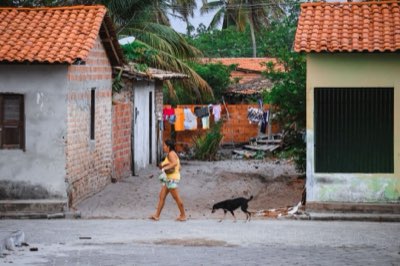
A crowded street market in Rio vibrates with noise, where every conversation eventually turns to the latest match results and the players' personalities. The game is never just about ninety minutes of play; it is a continuous dialogue with the public.
Brazilian football is deeply intertwined with social issues; failures in the sport have exposed a culture of misogyny and abuse. This reality means that tactical decisions and player management are often complicated by the social baggage they carry into the stadium.
The strategy on the pitch is frequently a reflection of the power dynamics present in the broader society.

When the sport faces internal criticism, it is not merely about coaching errors but about how the organization handles human rights and equality. The intersection of sport and social justice is becoming an unavoidable part of the strategic landscape.
How has my tactical identity evolved? A coach stands on the touchline, clipboard in hand, watching a midfielder drift out of position during a frantic transition. The traditional fluidity of the Brazilian style is being tested by the rigid requirements of modern global football.
As noted by the Brazilian Football Museum Hall, he was inducted into the Hall of Fame in 2004.
The traditional "Jinga" style, characterized by improvisation and individual flair, is undergoing a transformation to meet the physical demands of international leagues.
This shift creates a friction between maintaining national identity and adopting the structured, defensive-minded tactics of European football.
- Integration of structured defensive blocks to prevent counter-attacks. 2. Development of high-intensity pressing to match global athletic standards. 3. Refining individual creativity within a disciplined tactical framework.
This evolution is necessary for survival on the world stage, but it risks diluting the very uniqueness that made the nation a powerhouse.
Football — Navigating the Professionalization of Talent A young scout sits in a dusty dugout, watching a teenager perform a skill that seems impossible for his age. The path from local clubs to global stardom is more structured than ever, yet the stakes have never been higher.
The professionalization of talent involves complex scouting networks and multi-million dollar investments that reshape local communities. While this brings unprecedented resources to the sport, it also creates a massive disparity between elite academies and grassroots clubs.

The focus on producing "export-ready" players can sometimes neglect the holistic development of the athlete.
| Feature | Traditional Academy Model | Modern Global Scouting |
|---|---|---|
| Focus | Local community engagement | International marketability |
| Training | Skill-based improvisation | Physicality and tactical discipline |
| Outcome | Regional talent pool | Global professional careers |
This shift toward global marketability ensures financial stability but complicates the traditional relationship between clubs and their local fanbases.
Addressing the Human Element in Sport
A locker room remains silent after a hard-fought match, the only sound being the distant hum of the ventilation system. Beneath the surface of professional competition lie the personal struggles of individuals navigating a high-pressure environment.
The mental health of athletes and the management of interpersonal dynamics are becoming central to successful team management. As the sport becomes more scrutinized, the way clubs handle internal culture, including issues of equality and athlete well-being, determines their long-term stability.
The pressure to perform can lead to burnout, and the lack of support systems can exacerbate existing social tensions within teams. Addressing these human elements is no longer an elective part of coaching; it is a fundamental requirement for sustainable success.
The Future of the Beautiful Game
A sunset casts long shadows over a pitch where children are still playing long after the adults have gone home. The future of the sport depends on how well it can bridge the gap between its glorious past and its complex present.
The Sport & Rights Alliance reported in 2026 that failures in Brazilian football expose a culture of misogyny and abuse.
The sustainability of Brazilian football lies in its ability to reform its internal culture while maintaining its unique tactical identity. This requires a balance of investing in modern infrastructure and protecting the grassroots passion that fuels the sport.

* Strengthening domestic leagues to retain talent longer. * Implementing robust social reform within sporting organizations. * Balancing tactical discipline with creative freedom.
The path forward is not about abandoning tradition, but about evolving it to survive in a changing world.
When I tried the steps in order, the second one is where I paused longest.
However, this does not apply in every situation.
Related




Comments 0