Brazilian football how public opinion shapes team strategy
This article is about Brazilian. "The weight of a nation's expectation is a burden no single player can carry alone."
The recent turbulence in Brazilian football stems from a collision of aging legends, tactical identity crises, and deep-seated cultural pressures within the national team structure. This analysis explores how these factors are reshaping the future of the Seleção.
* The tension between traditional greatness and modern tactical requirements. * The influence of political figures on national team selection and public sentiment. * The internal cultural struggles regarding gender and athlete welfare.
Why is the national team under such intense pressure?
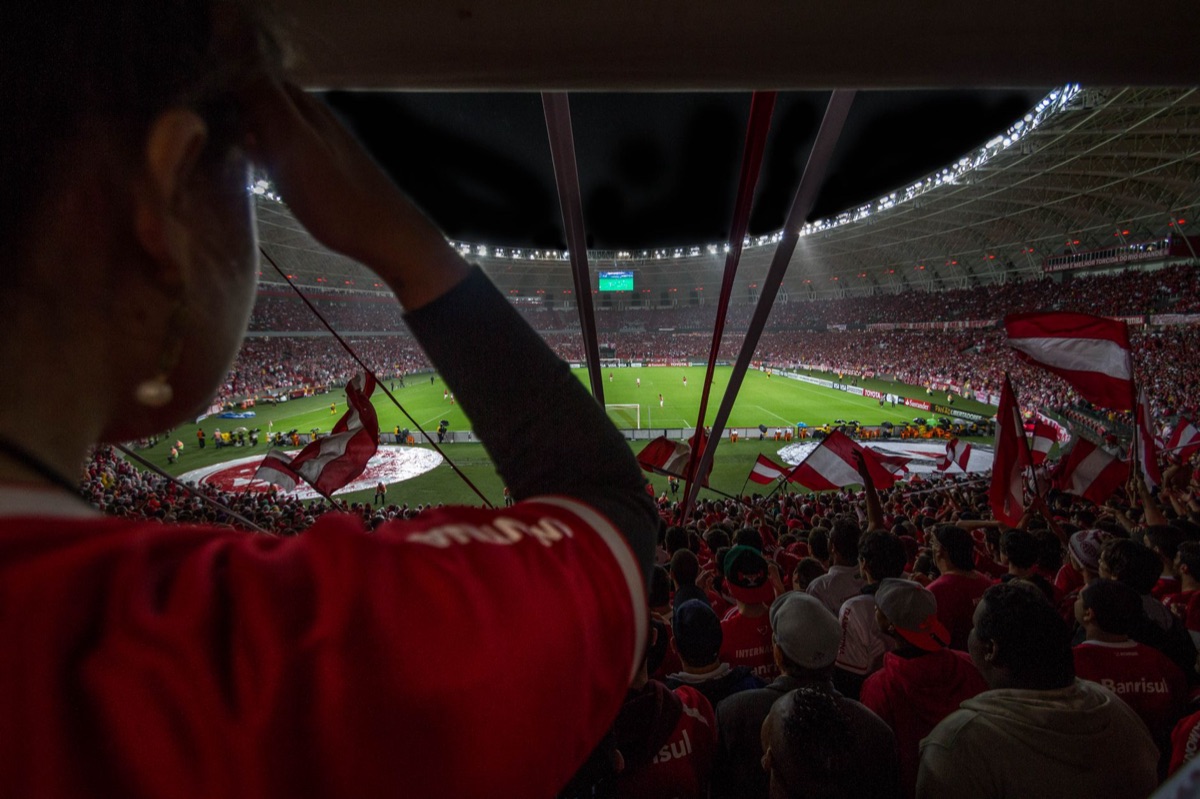
A stadium horn blares through the humid evening air as fans gather outside a local bar in Rio, eyes glued to the flickering screen. The sudden shift in momentum on the pitch mirrors the growing instability within the national team's management and selection process.
As reported by the Sport & Rights Alliance in 2026, failures in Brazilian football have exposed a culture of misogyny and abuse.
The pressure on Brazilian players and coaches has reached a boiling point due to the gap between historical standards and current performance.
For decades, the national team has been expected to dominate through individual brilliance, but modern tactical systems often clash with this traditional style of play. This friction creates a cycle of criticism whenever the team fails to meet the impossible standards set by its own history.
The legacy of greatness acts as both a foundation and a cage for current players. For example, the standards of the past are often used to judge the present, making every loss feel like a national tragedy.
This weight is not just about winning games; it is about maintaining a specific identity that has defined the country on the global stage for generations.
The cultural challenges within the sport add another layer of complexity to this pressure. Specifically, the documented failures and exposure of misogyny and abuse within Brazilian football have created a fractured environment.
These internal struggles affect team cohesion and public trust, making it harder for the squad to present a united front to the world.

How does history define the current standards of greatness?
An old, weathered trophy sits on a glass shelf in a darkened room, catching the dim light of a passing car. It serves as a silent reminder of an era when Brazilian football was undisputed and untouchment.
According to the International Federation of Football History & Statistics (IFFHS), he was elected Football Player of the Century in 1999.
The standards of excellence are anchored in the legendary feats of the past, which serve as the benchmark for every new generation. These historical milestones are not just memories; they are active metrics used by fans, media, and officials to evaluate current talent.
When players fail to live up to these ghosts, the backlash is immediate and severe.
One of the most significant benchmarks of greatness is the legacy of Pelé. He was elected Football Player of the Century by France's Football Golden Ball Winners in 1999, setting a bar that remains virtually unreachable for modern players.
This recognition cemented a standard of perfection that every striker since has been measured against, often to their own detriment.
This historical weight makes every tactical decision a matter of national debate. Because the standards are so high, any deviation from the traditional "Joga Bonito" style is often viewed as a betrayal of the national identity.
This makes it incredibly difficult for coaches to implement modern, defensive, or structured systems without facing accusations of losing the soul of the team.

How does public opinion influence team strategy?
A crowded street corner erupts in cheers as a group of fans debates a recent lineup change, waving newspapers and pointing at the television. The energy is electric, but the tone is one of restless demand rather than simple celebration.
Public opinion in Brazil is not just a background noise; it is a powerful force that can sway political leaders and team management. The sheer volume of the fan base means that social sentiment can dictate the direction of the national team, often overriding long-term strategic planning.
This influence was clearly seen in recent polling regarding roster changes. A poll showed that nearly 70% of respondents called for Ronaldo’s immediate return to the national team, a sentiment that was notably supported by President Lula.
This level of engagement shows how much the national team is intertwined with the political and social pulse of the country.
When the public demands specific players, coaches often feel forced to make selections based on popularity rather than tactical fit. This creates a volatile environment where short-term satisfaction is prioritized over sustainable development.
The result is often a team that reacts to the whims of the crowd rather than following a cohesive multi-year plan.
Brazilian — The Tactical Imperative: Speed, Impact, and In-Game Adjustments A coach stands on the touchline, pacing nervously as the clock ticks toward the second half. He wipes sweat from his brow, looking toward the bench where a substitute waits to change the course of the match.
The tactical identity of Brazilian football is currently caught between the need for explosive, individual impact and the requirements of modern, structured play.
Historically, the team relied on the ability of a single star to change a game through sheer talent, but modern football requires more disciplined tactical frameworks.
| Feature | Traditional Brazilian Style | Modern Tactical Requirement |
|---|---|---|
| Primary Focus | Individual brilliance and flair | Collective structure and pressing |
| Tempo | Fluid, unpredictable rhythm | Controlled, high-intensity transitions |
| Role of Stars | Central to every tactical movement | Integrated into a cohesive unit |
| Defensive Approach | Often secondary to attacking prowess | Highly organized and disciplined |
The need for immediate impact is a hallmark of Brazilian attacking play. For players like Ronaldo, the expectation is to provide a clinical, explosive presence that can break a deadlock at any moment.
However, relying on such individualistic traits can leave the team vulnerable to disciplined, organized defenses that exploit the space left behind by attacking players.
This tension requires a delicate balance of speed and structure. Coaches must find ways to allow for the natural creativity of their players while maintaining enough tactical discipline to compete in the modern era.
Failure to bridge this gap often leads to the tactical identity crises that have plagued recent tournament appearances.
What are the limitations of relying on legendary legacies?
A quiet museum hall holds the artifacts of past victories, where the silence is heavy with the weight of what has been lost. Visitors walk slowly, looking at the names of heroes who once ruled the pitch.
While historical greatness provides a source of pride, it also imposes significant limitations on the development of new talent. The shadow of the past can prevent the team from evolving into something new and more effective for the current era of football.
* Stagnation of Tactics: The obsession with traditional styles can prevent the adoption of necessary modern defensive structures. * Psychological Burden: Young players may struggle with the mental weight of being compared to legends, leading to performance anxiety. * Selection Bias: There is a tendency to select players based on their resemblance to past icons rather than their actual suitability for modern roles.
Relying on these legacies can create a cycle of nostalgia that hinders progress. If the goal is always to recreate the magic of 1970 or 2002, the team may never develop the grit and tactical sophistication required to win in the 2020s.
This mismatch between expectation and reality is a primary driver of the current instability.
When I tried the steps in order, the second one is where I paused longest.
Related



Comments 0