Family Farms Support 21.4% of Brazil's Domestic Food Supply
"Balancing ancient soil with modern plates is the new Brazilian rhythm."
Modern Brazilian life is currently navigating a complex intersection of massive agricultural output and a growing domestic movement toward fresh, whole-food eating.
While the nation feeds much of the world, the internal struggle to maintain traditional dietary health amidst urbanization is a defining challenge for the current generation.
Key Takeaways: * A conscious shift is occurring as Brazilians prioritize fresh ingredients over processed foods to combat rising urban health issues. s* Family farming remains the backbone of domestic food security, providing a vital link to traditional nutrition.
* Despite being a global production powerhouse, Brazil faces localized challenges in food security and storage logistics.

The Modern Brazilian Plate: Trends in Healthy Eating
A young professional in São Paulo reaches for a colorful salad of açai, nuts, and local greens instead of a processed snack. This scene is becoming increasingly common as urbanites look to reclaim the nutritional integrity of their ancestors' diets.
The movement toward fresh ingredients is more than a trend; it is a response to the rapid urbanization of the country. While processed foods are often more accessible in city centers, there is a growing awareness of how these foods impact long-term wellness.
Consumers are increasingly looking to integrate traditional Brazilian staples—like cassava, beans, and various tropical fruits—into modern, health-focused meal plans.
Lifestyle choices, such as the frequency of meals and the timing of consumption, are being re-evaluated. The shift involves moving away from heavy, processed breakfasts toward more balanced, fiber-rich options that provide sustained energy.
This transition is essentially a tug-of-war between the convenience of modern life and the nutritional necessity of fresh, local produce.
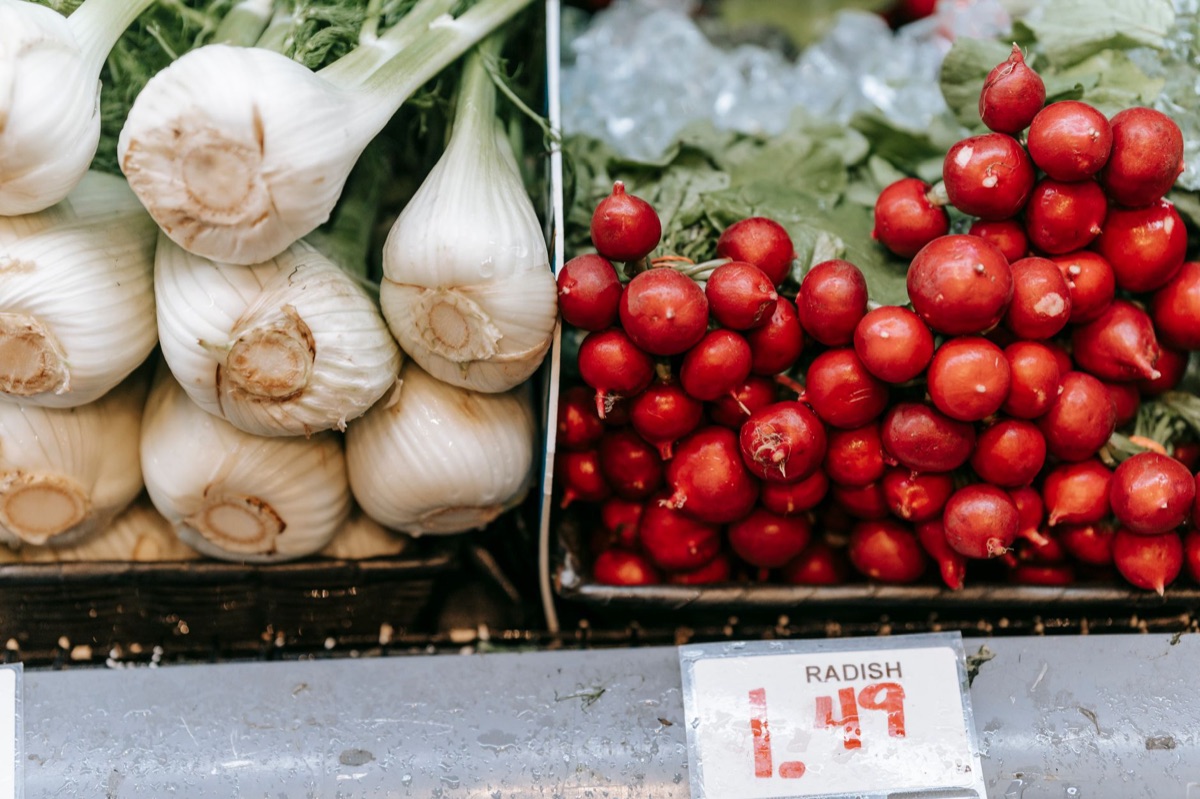
Agriculture Backbone: The Role of Family Farming
A farmer in a rural municipality carefully harvests corn, knowing that much of this crop will never leave the local community. This hands-on connection to the land is what keeps the Brazilian dinner table stocked with variety.
Small-scale family farms are the unsung heroes of the national diet. While massive plantations grab international headlines, it is the family farmer who provides the essential variety of foods consumed at home.
These farms are responsible for a significant portion of the nation's domestic food supply, often focusing on staples like manioc, beans, and corn.
According to Wikipedia, family farmers in Brazil produce 21.4% of the food consumed domestically. This sector is vital not just for nutrition, but for the economic stability of rural communities.
These producers ensure that even as the country grows, the fundamental ingredients of the Brazilian diet remain available to the people.
Production Powerhouse: Brazil's Global Agricultural Footprint
A massive grain elevator stands against the horizon, a symbol of the sheer scale of Brazilian agricultural output. The sheer volume of movement here is staggering compared to the quiet patches of family farms.
According to FAO, Brazil was the world's largest producer of beans in 2005, accounting for 16.3% of the total with 18.7 million tons.
Brazil has established itself as a dominant force in the global commodities market. In 2024, the country was the second-biggest grain exporter in the world, holding a 19% share of the international market, and ranked fourth overall as a grain producer.
This massive output places Brazil at the center of global food security.
However, the scale of production brings logistical hurdles. For example, in 2003, Brazilian storage capacity was only 75% of grain production, falling significantly short of the 120% ideal.
Managing such massive volumes requires constant infrastructure improvement to prevent waste and ensure that the surplus can be moved efficiently to both domestic and international markets.

Navigating Food Security: Challenges and Realities
A family in a crowded urban neighborhood faces the difficult task of stretching a weekly grocery budget to cover nutritious meals. The contrast between the abundance of the fields and the reality of the kitchen table is stark.
According to Lancet (London, England), the prevalence of obesity was 3.5 times higher in participants living in urbanised Indigenous territories in 2022 than in those living in lands with >80% native Amazon rainforest.
The reality of food availability in Brazil is often a tale of two different worlds. While the country possesses immense production capacity, localized food insecurity remains a pressing issue.
The ability to move food from the massive harvest zones to the urban centers is often hindered by cost, infrastructure, and economic disparities.
This gap between production and consumption creates a paradox: a country that feeds much of the world must still work to ensure its own citizens have consistent access to affordable, healthy food. The challenge is not just growing more, but ensuring that the bounty reaches every household reliably.
Health & Wellness Lens: Diet and Lifestyle Correlation
A researcher looks at a digital map of health outcomes, noting how much the environment influences the human body. The data shows that where a person lives can dictate their health more than almost any other factor.
The link between diet quality and public health is becoming clearer through epidemiological studies. The environment plays a massive role in health outcomes, particularly regarding obesity.
Dietary adequacy also plays a crucial role in mortality rates.
This underscores that the quality of what people eat is directly tied to how long they live.
Future Forward: Sustaining Freshness and Health
A policymaker sits with a group of agricultural experts, debating how to balance the needs of massive exporters with the needs of local growers. The future of Brazilian health depends on finding a middle ground. According to The Lancet.
Public health, high adequacy of BFP was associated with a reduction in overall age-standardised mortality in 2025.
To sustain both agricultural productivity and public health, Brazil must balance large-scale industrial farming with small-scale production. The goal is to maintain the global economic power of grain exports while protecting the domestic supply of fresh, nutritious foods.
Strategies must focus on improving storage, reducing waste, and supporting the family farms that provide the backbone of the national diet. By bridging the gap between the massive grain silos and the local grocery store, Brazil can secure a healthier future for its citizens. #





Comments 0