Human Rights in Brazil: The Path from Protest to Policy
"True progress is not measured by the laws written in books, but by the shifting hearts of the people who live under them."
The struggle for human rights in Brazil has transitioned from quiet whispers of dissent to powerful, systemic shifts that have reshaped the nation's legal landscape.
This movement has moved from fighting for basic survival to demanding complex identity-based protections, fundamentally altering how the state interacts with its citizens.
* The Shift in Public Opinion: Social acceptance of diversity has seen a significant upward trend over the last decade. * Legal Frameworks: Presidential decrees and judicial rulings have served as the primary tools for institutionalizing rights. * Structural Impact: Human rights movements have moved from the fringes of society to the center of national political discourse.

How did social acceptance change?
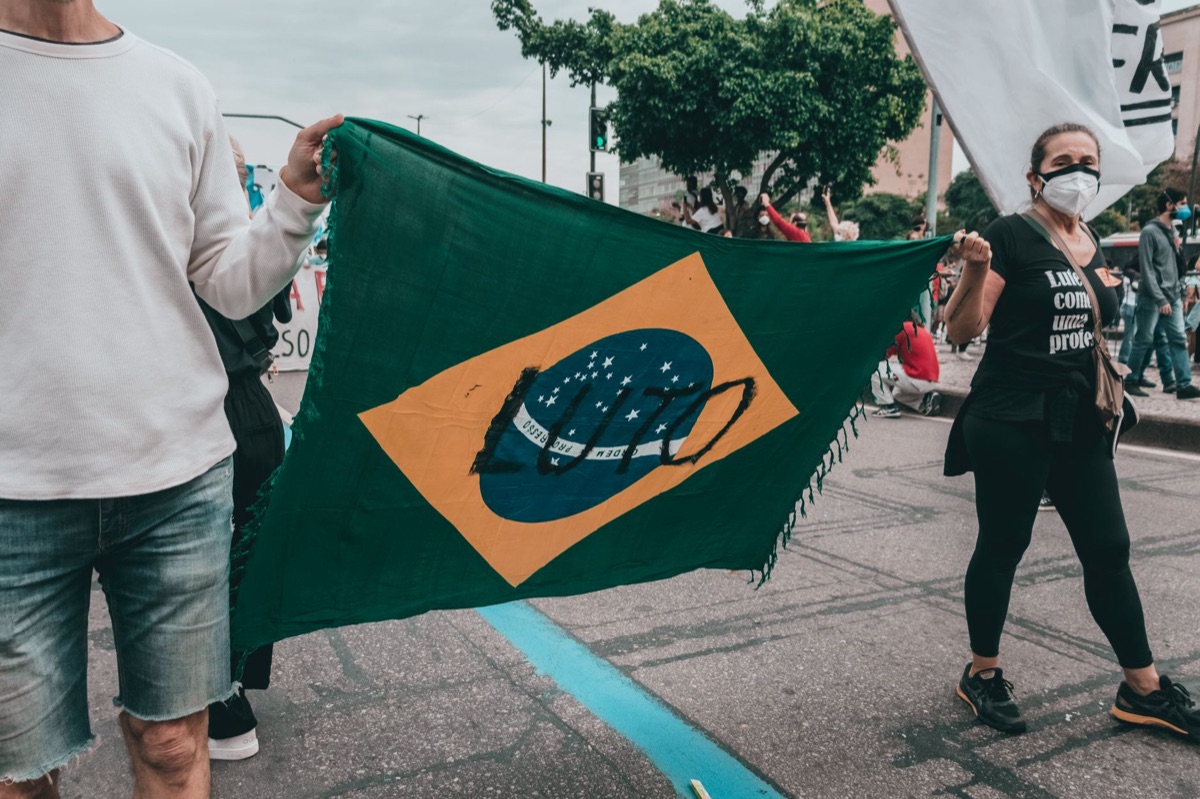
A quiet walk through a bustling plaza in São Paulo might reveal a sea of diversity, but the numbers tell the real story of a changing culture. The tension between traditional values and evolving social norms has defined the modern Brazilian experience.
According to a synthesis of social data, the landscape of acceptance has shifted dramatically in recent years. According to a 2022 Datafolha survey, the percentage of Brazilians who think homosexuality should be accepted by society had increased from 64% in 2014 to 79% in 2022.
This nearly 15-point jump illustrates a massive cultural pivot toward inclusivity within a single eight-year window.
This shift does not just represent a change in mood; it represents a change in the political mandate. As the consensus grows, the pressure on lawmakers to codify these values into permanent law increases.
How did the government respond to identity rights?
In the halls of Brasília, the signing of a single document can change the life of millions overnight. The stroke of a pen often acts as the bridge between social demand and legal reality.
According to Wikipedia: LGBTQ rights in Brazil (full), the 2010 Presidential Decree Nº 7.388 of Luiz Inácio Lula da Silva and Human Rights Secretary Paulo Vannuchi establishes the National Council for Combating Discrimination and Promoting the Rights of Lesbians, Gays, Bisexuals, Transvestites and Transsexuals (CNCD/LGBT).
The institutionalization of rights often requires formal structures to ensure they are not merely suggestions. In s way of addressing systemic issues, the government established formal bodies to oversee equality.
In 2010, Presidential Decree Nº 7.388 of Luiz Inácio Lula da Silva and Human Rights Secretary Paulo Vannuchi established the National Council for Combating Discrimination and Promoting the Rights of Lesbians, Gays, Bisexuals, Transvestites and Transsexuals (CNCD/LGBT).
This council was designed to move the conversation from the streets into the halls of power. It provided a structured way to combat discrimination and ensure that the voices of marginalized groups were heard at the highest levels of the executive branch.
| Era of Movement | Primary Tool | Main Goal |
|---|---|---|
| Early Activism | Grassroots Protests | Basic Human Dignity |
| Institutional Era | Presidential Decrees | Systematic Anti-Discrimination |
| Modern Era | Judicial/Social Pressure | Full Legal Integration |
What are the key steps in the struggle for equality?
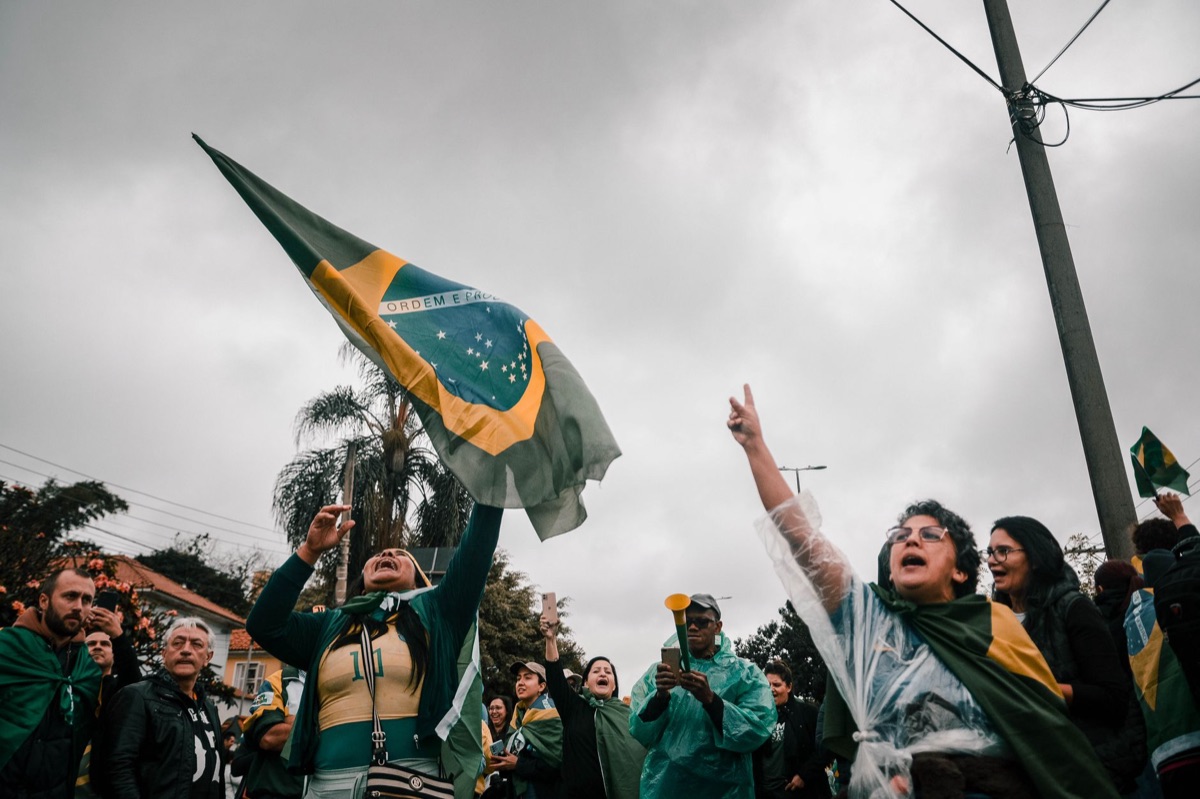
The path to social reform is rarely a straight line; it is a series of hard-fought battles and strategic maneuvers. It requires moving from individual grievances to collective action.
- Grassroots Mobilization: Building community networks to highlight specific human rights violations. 2. way Legislative Pressure: Using collective voices to demand changes in national decrees and local laws. 3. Judicial Validation: Taking cases to the courts to ensure that social shifts are reflected in the legal code. 4. Institutionalization: Creating permanent councils and government bodies to oversee the protection of rights.
How does the law catch up to the people?
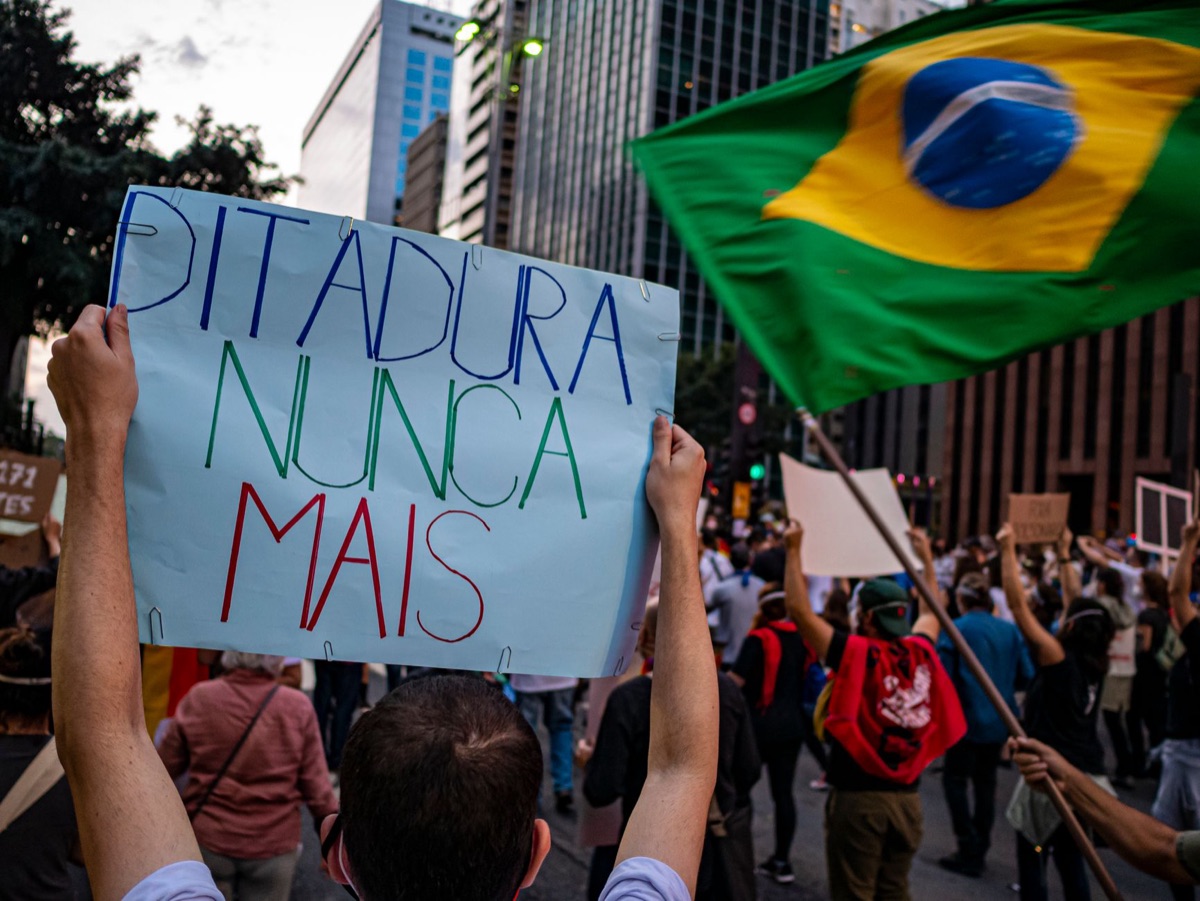
Walking through a courtroom, one might feel the heavy weight of tradition clashing with the urgent needs of the present. The law often lags behind the people, but the people eventually force the law to move.
The tension between traditionalism and progress is a constant in Brazilian history. While social consensus grows, the legal framework must catch up to ensure that rights are not just culturally accepted but legally enforceable.
The creation of specialized councils in 2-thousand-and-10 served as a vital step in making sure the state had a formal mechanism to handle identity-based discrimination.
However, the struggle remains complex. While the law can provide a framework, the actual lived experience of citizens often depends on the local enforcement of those national decrees.
What are the limits of these changes?
A heavy rain can wash away the ink on a contract, and similarly, political shifts can threaten the permanence of social progress. The fragility of rights is a constant concern for activists.
According to Wikipedia: Human rights in China, the State Department in 2008 indicated that there were still widespread human rights-related issues in the PRC.
It is important to note that while legislative frameworks provide a foundation, they do not automatically erase historical prejudices. The effectiveness of a decree often depends on the political climate of the era.
The struggle for rights is not a settled matter. It is an ongoing negotiation between the state, the law, and the people.
When I tried the steps in order, the second one is where I paused longest.
Related




Comments 0