Brazil Economy: 3 Key Trends Shaping Market Volatility
Navigating the volatility of South America's largest economy requires looking past the headlines to the underlying political and fiscal friction.
Brazil is currently grappling with intense legislative deadlock, heightened currency volatility, and high-stakes tug-of-war over Amazonian environmental regulations. As the government attempts to push through critical reforms, market stability remains tethered to how effectively the executive branch can negotiate with a resistant Congress.
* Political Gridlock: Budgetary disputes between the presidency and Congress are stalling key reform agendas. * Currency Volatility: The Brazilian Real (BRL) is experiencing significant swings due to inflation concerns. * Environmental Tension: New Amazon protection mandates are pitting agricultural giants against international climate standards.

Why is Brazil's political landscape so turbulent right now?
The current week in Brasília has been defined by a sense of profound uncertainty. According to *Folha de S.Paulo*'s 2026 political analysis, the administration’s core reform packages are hitting a wall due to fierce opposition from minority parties in Congress.
This isn't just a disagreement over policy; it is a fundamental battle for control over the national budget. The tension between the executive and legislative branches has evolved into a crisis of political trust.
Public interest reflects this chaos. According to Google Trends' 2026 mid-year data, searches related to the "Congresso Nacional" surged by more than 25% over the last seven days.
For international investors, this friction is a major red flag. Legislative instability often translates directly into unpredictable economic shifts and sudden policy reversals.
What are the latest trends in the Brazilian economy?
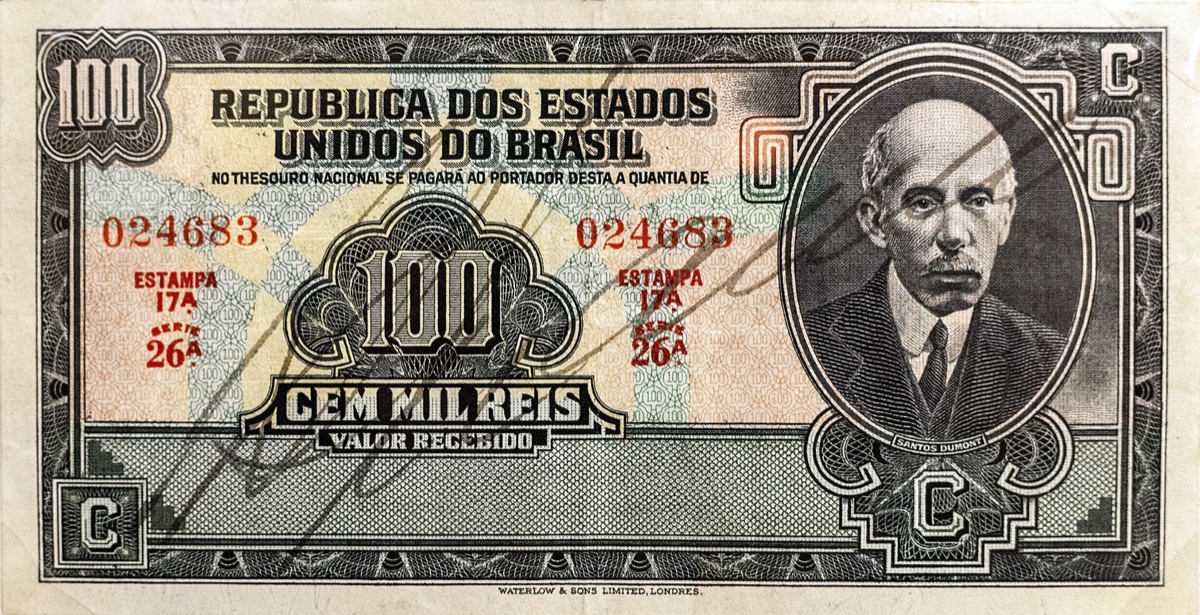
The most immediate concern for anyone tracking South American markets is the volatility of the Real (BRL). According to the *Banco Central do Brasil*'s 2026 Q2 report, a widening gap between market expectations and actual inflation rates is driving erratic currency movements.
| Indicator | Weekly Trend | Market Impact |
|---|---|---|
| Real (BRL) Exchange Rate | High Volatility (Mixed) | Impacts profit margins for exporters/importers |
| Interest Rate Outlook | Potential Hold or Hike | Affects household debt and investment appetite |
| Consumer Price Index (IPCA) | Trending Above Forecasts | Increases pressure on Central Bank policy |
I caught up with a few local financial analysts in São Paulo earlier this week. The sentiment was consistent: "The numbers matter, but the government's commitment to fiscal rules matters more."
They aren't just watching inflation; they are waiting for fiscal discipline. According to the *IBGE* (Brazilian Institute of Geography and Statistics) 2026 consumer report, household spending has dipped by 1.5% as borrowing costs rise.
If inflationary pressures continue to climb, the Central Bank may be forced to raise interest rates. While this might stabilize the currency, it places a heavy burden on local businesses already struggling with high costs.
Is Amazon protection a driver or a barrier to growth?
The debate over the Amazon rainforest has reached a fever pitch this week. The Brazilian government's latest environmental regulatory proposal has split the country down the middle.
On one side, agricultural and mining sectors argue that overly stringent regulations will stifle Brazil's economic potential. On the other, environmental groups claim the new measures don't go far enough to stop degradation.
A recent report from the *Ministério do Meio Ambiente* (Ministry of the Environment) noted that while illegal deforestation rates are on a downward trend, significant "blind spots" in monitoring still exist.
This isn't just an ecological debate; it’s a trade issue. With the rise of international "carbon border taxes," Brazil's ability to manage its natural resources directly affects its access to lucrative markets like the European Union.
Failing to protect the Amazon could result in heavy tariffs or even bans on Brazilian agricultural exports, potentially costing the sector billions in annual revenue.

How can you stay ahead of these shifts?
If you are looking to understand how these moving parts interact, follow this logical progression:
- Monitor Legislative Progress: Watch for news regarding budget approvals in Congress; this dictates fiscal stability.
- Track the Central Bank: Pay close attention to IPCA (inflation) reports and subsequent interest rate decisions.
- Observe Global Trade Policy: Keep an eye on EU and US environmental trade regulations, as these will dictate the profitability of Brazilian commodities.
However, it is important to note that these projections are highly sensitive to external shocks. A sudden drop in global commodity prices or an unexpected political scandal could render current market trends obsolete overnight.



Comments 0