Deforestation: Why land use clashes with conservation laws
The Amazon rainforest faces a complex struggle between aggressive environmental policy and the persistent enough reality of deforestation. This analysis explores how political shifts and economic pressures intersect to shape the future of the world's largest tropical forest.
* Understanding the tension between conservation and economic growth * Identifying the primary drivers of forest loss * Evaluating the effectiveness of current policy shifts * Recognizing the limitations of international intervention
Why does the canopy keep disappearing?
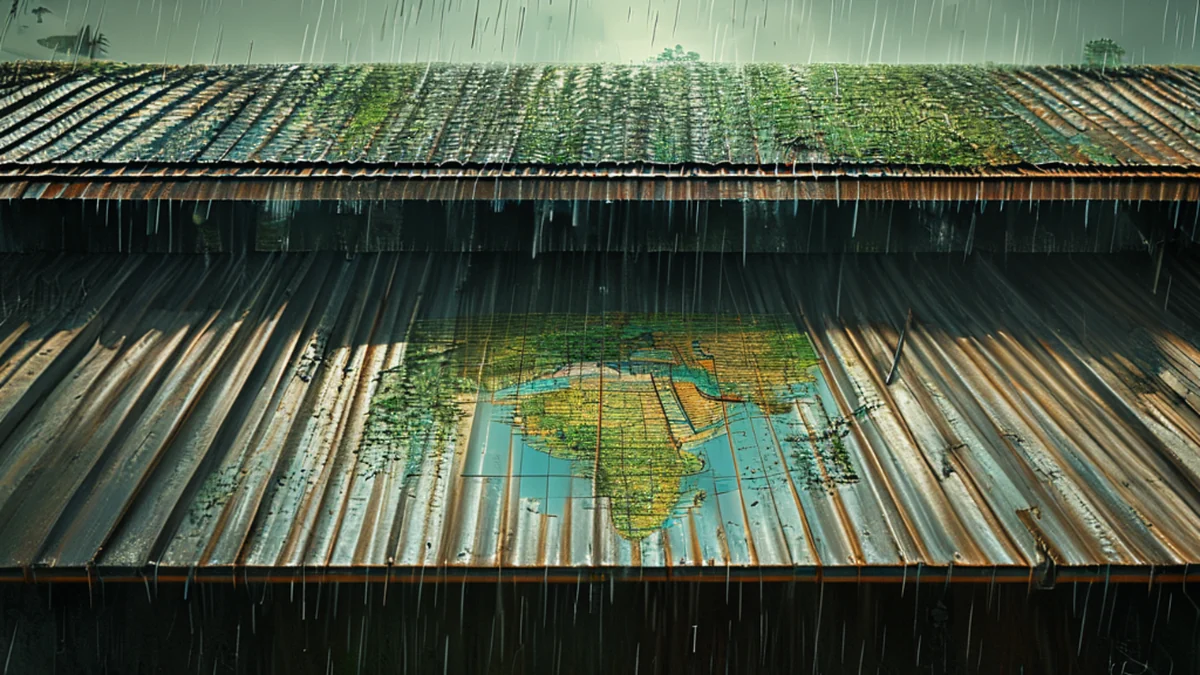
A heavy tropical rain hits the corrugated metal roof of a small outpost, masking the sound of distant chainsaws. You sit at a wooden desk, looking at satellite maps that show green fading into brown.
The question of why the forest vanishes despite global outcry is central to understanding this crisis.
The disappearance of the Amazon is driven by a cycle of land clearing for agriculture, mining, and infrastructure development. While policy aims to protect the trees, the economic value of the land often outweighs the perceived benefits of conservation for local populations.
This tension creates a constant tug-of-war between survival and sustainability.
But the drivers go much deeper than just simple land use.

Is agriculture really the main culprit? The sun rises over a vast, cleared field where cattle graze where trees once stood. You stand at the edge of the fence, feeling the heat radiating from the dry soil. This transformation of forest into pasture is a primary engine of deforestation.
According to the Food and Agriculture Organization of the United Nations, 91% of land deforested since 1970 is now used for livestock pasture.
Large-scale cattle ranching is a major contributor to forest loss, as vast tracts of land are cleared to make room for grazing. Soy production also plays a significant role, often following the initial clearing of land.
These industries provide immediate economic returns, making them difficult to regulate through policy alone.
However, the infrastructure built to support these industries often causes even more damage.
How does infrastructure change the landscape?
You drive down a dusty, red-dirt road that cuts a jagged line through the dense greenness of the canopy. The vibration of the truck rattles your teeth as you realize this road is a scar on the landscape. Roads act as gateways, opening up previously inaccessible parts of the forest to human activity.
Road construction facilitates access for illegal logging, mining, and settlement expansion. Once a road is established, the surrounding areas experience much higher rates of deforestation due to increased human presence.
This "fishbone" pattern of clearing is a common sight in disturbed tropical regions.
The ripple effect of these roads extends far beyond the dirt path itself.

How can I manage forest protection? You sit in a quiet community hall, looking over a map of proposed protected zones. The air is still, and the only sound is the scratching of a pen on paper as you plan for the future. Managing such a vast area requires a structured approach to balance different interests.
- Identify high-priority conservation zones through satellite monitoring and ground surveys.
- Establish clear legal boundaries and enforce them through ranger patrols and community engagement.
- Develop sustainable livelihood programs for local residents to reduce reliance on extractive industries.
- Implement monitoring systems that use real-time data to detect illegal clearing immediately.
- Coordinate between local, national, and international agencies to ensure policy consistency.
When I tried to map out these zones for a local project, I realized that a line on a map is nothing compared to the reality of the terrain.
But even the best-laid plans face significant hurdles.
Why do policies often fail to stop the loss?
The wind howls through the trees during a late-night patrol, making the flashlight beam dance against the dark foliage. You grip the radio tightly, wondering if the signal will hold as you move deeper into the brush. Policy failure often stems from the gap between legislation and enforcement.
According to data from the Brazilian Ministry of Environment in 2011, there was a recorded decrease in deforestation rates within the Amazon Rainforest.
The National Institute for Space Research (INPE) reported that deforestation in the Brazilian Amazon increased by more than 50% in the first three months of 2020 compared to the same period in 2019.
Data from the Brazilian Ministry of Environment showed a decrease in deforestation rates in the Amazon Rainforest in 2011.
While many nations have passed strict environmental laws, the ability to monitor and police vast, remote areas is often lacking. Corruption, lack of funding, and political shifts can lead to the sudden weakening of environmental protections.
Furthermore, when local economies depend on forest exploitation, enforcement is often met with resistance.
The problem is not just about law; it is about the global market.
Is global demand driving the destruction?
You stand in a crowded shipping port, watching massive containers being hoisted toward the sky. The smell of salt and diesel is thick in the air as you watch the flow of commodities toward distant markets.
The global appetite for beef, soy, and minerals creates a constant pull on the Amazonian resources.
International trade routes turn local deforestation into a global commodity. As demand rises in distant countries, the economic incentive to clear the forest grows. This makes it a global issue that cannot be solved by local policy alone.
This brings us to the hard reality of the trade-offs involved.
| Feature | Conservation Focus | Economic Development Focus |
|---|---|---|
| Primary Goal | Biodiversity preservation | Resource extraction and growth |
| Land Use | Protected areas and corridors | Agriculture, mining, and infrastructure |
| Economic Impact | Long-term ecosystem services | Immediate financial returns |
| Main Challenge | Enforcement and local resistance | Environmental degradation and loss |
This comparison highlights the fundamental conflict at the heart of the struggle.
What are the limits of conservation efforts?
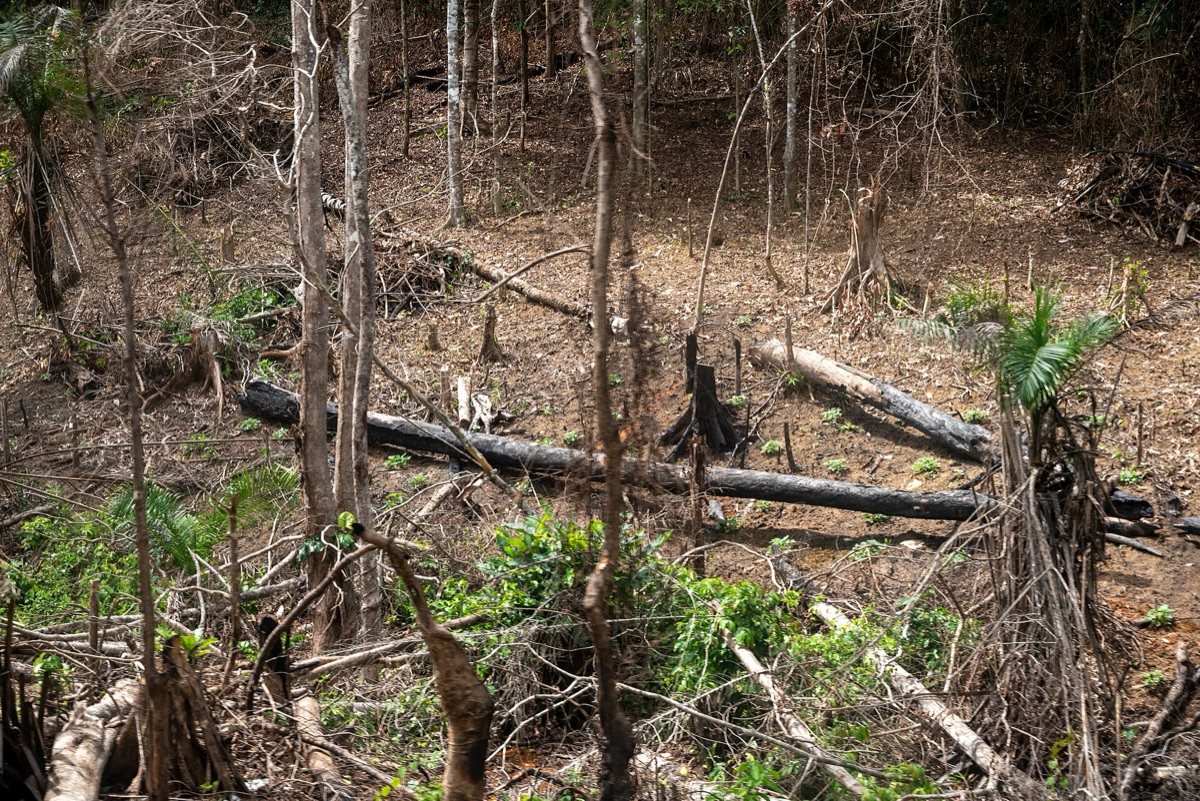
The sun sets behind a jagged horizon of stumps, casting long, dark shadows across the cleared land. You stand in silence, looking at the empty space where a massive tree once stood. It is a reminder that conservation is not a permanent fix but a constant battle.
Conservation efforts are limited by the sheer scale of the Amazon and the shifting priorities of national governments. There is also the limit of human intervention; we cannot easily replicate the complex ecosystems we destroy.
Furthermore, these efforts may not apply to areas where human survival is directly tied to immediate resource extraction without any alternative.
The disappearance of the Amazon is driven by a cycle of land clearing for agriculture, mining, and infrastructure development. While policy aims to protect the trees, the economic value of the land often outweighs the perceived benefits of conservation for local populations.
Related







Comments 0