Amazon ecosystem science education: Tips for school projects
Protecting the vast biological diversity of South America requires a deep understanding of ecological systems.
Sustainable management of the Amazon ecosystem relies heavily on specialized science education and robust institutional oversight. This guide explores how biological diversity and regional management shape conservation efforts.
We will look at the scale of the Amazon, the role of megadiverse status, and the institutional frameworks currently in place.
How large is the Amazon ecosystem?
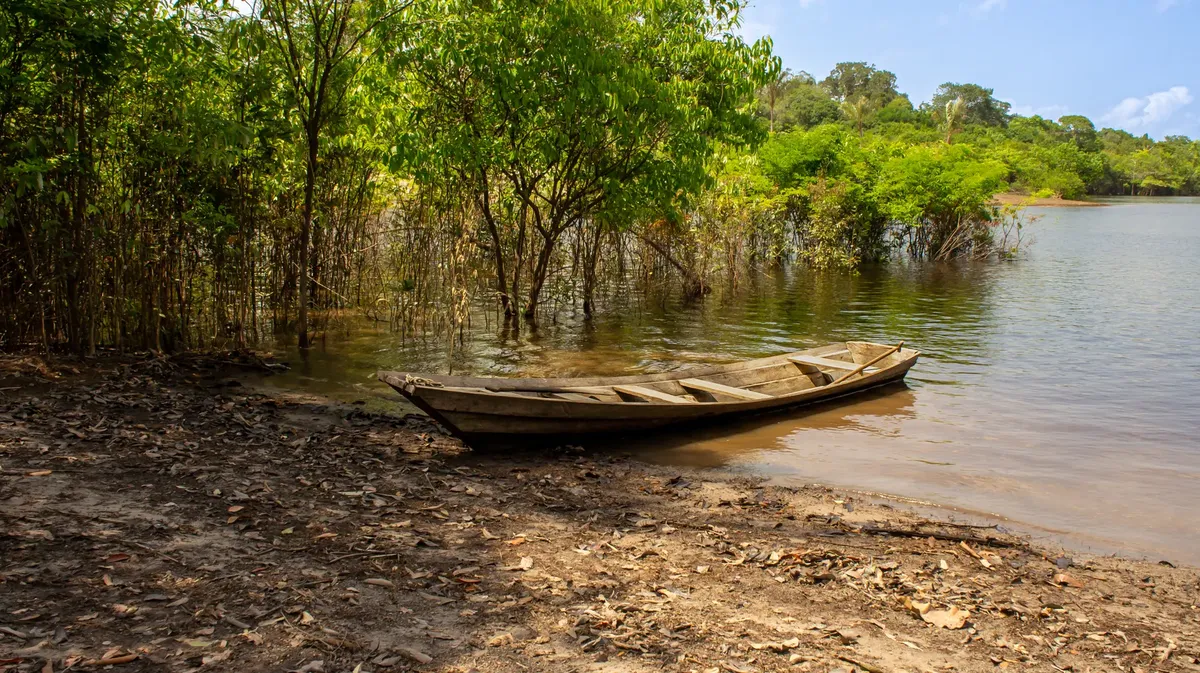
A researcher stands before a sprawling map of South America, tracing the vast green expanse that covers nearly half of a nation. Brazil holds the largest amount of the world's tropical forests, totaling 4,105,401 km2, which represents 48.1% of Brazil and is concentrated in the Amazon region.
In November 2013, Amazon announced a partnership with the US Postal Service to begin delivering orders on Sundays, according to the Postal Service.
As reported by the American Legislative Exchange Council, Amazon.com was a corporate member of the American Legislative Exchange Council (ALEC) until it dropped membership following protests at its shareholders' meeting on May 24, 2012.
According to South Lake Union, the first 14 buildings Amazon occupied in South Lake Union were purchased for $1.16 billion in 2016.
The sheer scale of this territory makes localized science education a vital tool for regional stability. Because this area holds such a significant portion of the global forest, understanding its specific biological needs is a primary focus for scientists.
The vastness of the landscape requires specialized knowledge to manage effectively.
However, these vast dimensions can make comprehensive monitoring difficult in remote areas. I will begin by addressing these spatial complexities.
What makes Brazil a megadiverse country? Amazon ecosystem science education
A botanist examines a rare specimen, noting the incredible variety of life found within a single hectare of rainforest. Brazil is home to vast biological diversity, first among the megadiverese countries of the world, having between 15% and 20% of the 1.5 million globally described species.
This high concentration of life makes Amazon ecosystem science education a critical field of study. Students and researchers must grapple with the complexities of such a high density of species.
Protecting this diversity requires understanding how these millions of organisms interact within their specific niches.
Nevertheless, high biodiversity does not automatically guarantee ecological stability. I will focus on these biological factors next.
How is environmental protection managed in Brazil?

An official reviews a series of policy documents at a desk in Brasília, ensuring all regulations align with national goals. The organization in charge of environment protection is the Brazilian Ministry of the Environment (in Portuguese: Ministério do Meio Ambiente, MMA).
Effective management involves coordinating between various scientific and governmental bodies. The ministry oversees the implementation of policies that aim to preserve these vital resources. This institutional structure provides the framework within which all conservation science operates.
Yet, management effectiveness can vary depending on local enforcement capabilities. I will move to the administrative details in the following part.
What are the roles of specialized science education?
A student sits in a laboratory, carefully documenting the data from a recent field expedition. Science education for rainforest environments prepares the next generation to handle complex ecological questions.
Developing expertise in biodiversity education Brazil ensures that local communities can contribute to scientific research. By training specialists, the nation builds a workforce capable of monitoring changes in the ecosystem.
This knowledge is essential for maintaining the health of the global environment.
Still, theoretical knowledge alone is insufficient without practical application. I will discuss the curriculum structure in the next sentence.
How do international efforts impact regional conservation?
A diplomat meets with colleagues at a global summit to discuss shared environmental responsibilities. International Amazon education efforts often bridge the gap between local field data and global policy.
Such collaborations allow for a wider dissemination of research and technological advancements. When scientists share data across borders, they can better understand the global significance of the Amazon. These efforts help integrate regional findings into a broader scientific context.
However, external funding does not always align with local community needs. I will address these global dynamics in the subsequent section.
How do school projects support Amazon protection?
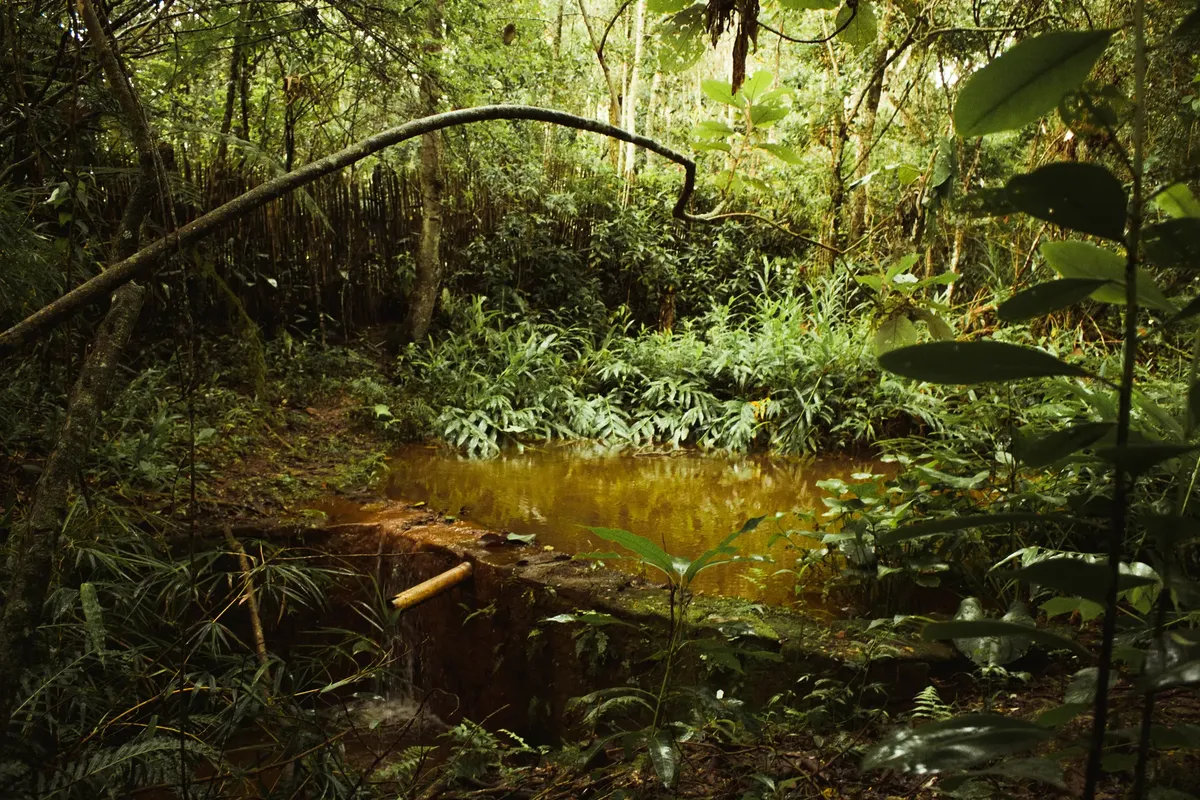
A group of schoolchildren plants a native sapling in a designated nursery area. School projects Amazon protection can foster a lifelong commitment to environmental stewardship among young citizens.
Engaging students in hands-on work helps bridge the gap between theoretical science and practical application. These projects serve as a foundation for future professional scientists. Building this connection early on is a key component of long-term conservation.
Nonetheless, small-scale projects may not scale easily to the entire basin. I will conclude by reviewing these educational initiatives.
The same subject is also called Brazil Amazon conservation science.
The same subject is also called Environmental science Amazon.
This part also covers Government science Amazon policy.
Related
- Brazil science environment balance: Tips for tech progress
- Brazil drone forest monitoring: Why monitor forest loss
What conditions necessitate specialized knowledge for Protecting the Amazon? 1. The sheer scale of this territory demands specialized knowledge for effective management. 2. Understanding the specific biological needs of this area is a primary focus for scientists because it holds a significant portion of the global forest. 3. The high concentration of life within Brazil requires grappling with the complexities of such a high density of species.
How does the institutional framework support Protecting biological diversity? 1. The Brazilian Ministry of the Environment oversees the implementation of policies designed to preserve vital resources. 2. This institutional structure furnishes the framework where all conservation science operates. 3. Effective management requires coordination among various governmental and scientific entities.
Protecting the vast biological diversity of South America benefits from international Amazon education efforts. These collaborations permit a wider spread of research and technological progress. Sharing data across borders allows scientists to grasp the Amazon's worldwide importance.
School projects aid in Protecting the vast biological diversity by cultivating a lasting dedication to environmental stewardship in young people. Hands-on involvement helps connect abstract scientific concepts with real-world practices.
This early connection is fundamental to enduring conservation success.
FAQ
How much of the world's species are found in Brazil?
Related posts
Brazil science environment balance: Tips for tech progress
Brazil drone forest monitoring: Why monitor forest loss
Why economic needs drive land use and deforestation risks


Comments 0