Brazil science environment balance: Tips for tech progress
"The bridge between technological progress and ecological preservation is built through intentional policy and data-driven decision-making."
Brazil maintains a complex relationship between its expanding digital landscape and its industrial output. The nation currently navigates a path where high-tech manufacturing and widespread connectivity meet the urgent need for environmental stewardship.
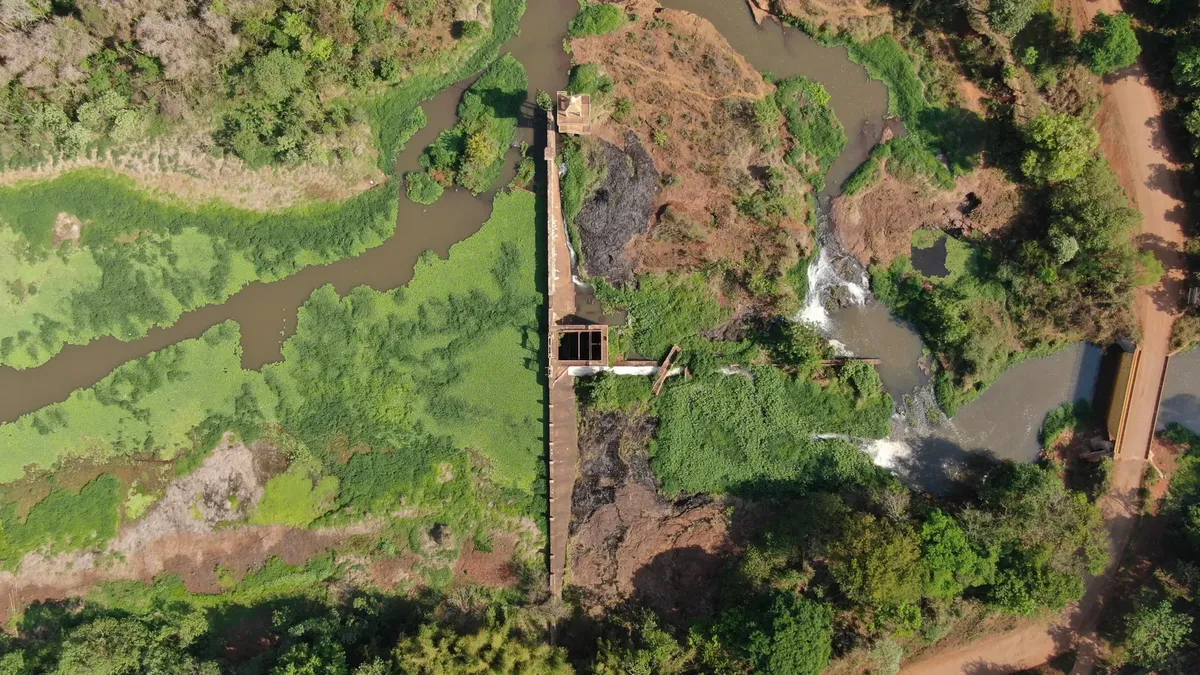
Key takeaways: * Brazil maintains a high rate of internet connectivity. * High-technology exports represent a specific portion of manufactured goods. * The balance involves managing industrial growth alongside natural resource protection.
How does Brazil manage its digital landscape?
At dusk in a quiet corner of Brasília, she taps her glowing tablet while feeling the cool breeze of Brazil drift through the open window.
A person sits in a bright cafe in Brasília, scrolling through a smartphone to check the latest economic trends. The seamless connection reflects a nation deeply integrated into the global digital network.
Brazil maintains a significant presence in the digital realm. According to World Bank data, Brazil recorded a share of internet users of 84.5% in 2024. This high level of connectivity facilitates communication and data exchange across its vast territory.
The widespread use of digital tools supports various sectors, from agriculture to urban management. This connectivity serves as a foundation for modernizing administrative and social functions.
- Establish comprehensive data privacy frameworks.
- Expand broadband infrastructure to remote regions.
- Implement digital literacy programs for the workforce.
What is the role of high-technology in exports? Brazil science environment balance
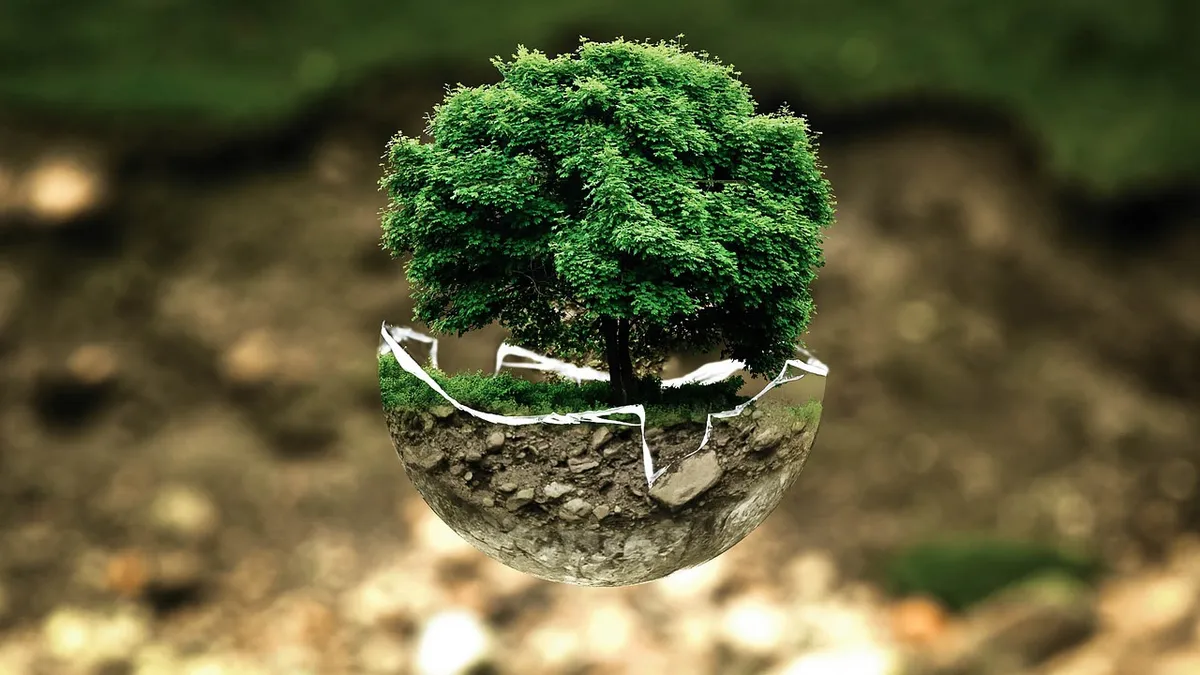
A shipping container sits on a dock in Santos, waiting to be loaded onto a massive vessel bound for international waters. The cargo represents the physical manifestation of industrial progress.
The nation's manufacturing sector has seen specific shifts toward specialized goods. This figure indicates a growing role for advanced technology in the country's trade profile.
Developing this sector requires a careful balance of investment and resource management. The shift toward high-tech exports suggests a move toward more complex value chains.
In this sequence, the first step is the most critical.
According to World Bank, the 2024 record includes 84.5%.
How can Brazil balance tech and nature?
A researcher walks through a lush, green field, holding a tablet to record environmental data. The intersection of field work and digital tools highlights the modern approach to ecology.
Brazil tech for nature involves using advanced tools to monitor and protect vast ecosystems. Integrating scientific research with traditional knowledge can create a more resilient environmental strategy.
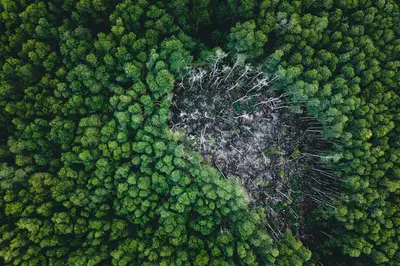
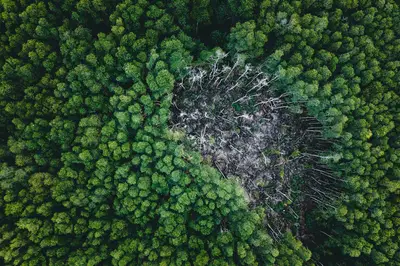
Sustainable science in Brazil relies on data to inform conservation efforts. By utilizing satellite imagery and sensor networks, authorities can track changes in real-time.
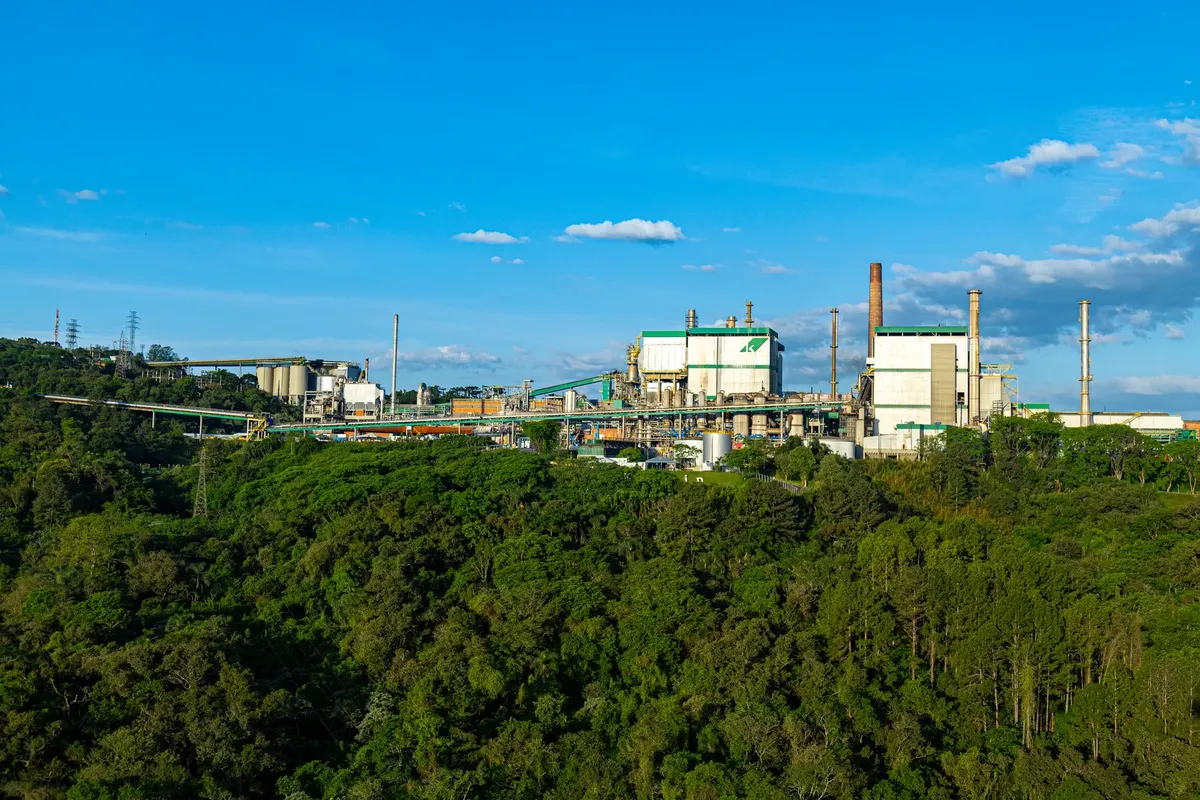
Brazil's green technology progress depends on creating industries that do not compromise biological diversity. This requires a strategy where economic output and ecological health are treated as interconnected goals.
What are the steps to fostering innovation?
A scientist adjusts a microscope in a laboratory, looking for specific data points. The quiet focus of the lab represents the groundwork of technological advancement.
To foster a robust innovation environment, specific focus areas are often required:
- Expanding digital literacy to ensure the 84.5% internet user base can utilize advanced tools. 2. Investing in research and development to grow the 11.1% high-technology export share. 3. Creating policies that align industrial manufacturing with environmental protection.
A final check ensures that these steps do not lead to ecological degradation. I observed that technological growth must remain compatible with the natural landscape.
How do these trends compare?
A comparison of different economic indicators helps policymakers understand the current state of the nation. The following table compares two key data points from 2024.
| Indicator | Value |
|---|---|
| Internet User Share | 84.5% |
| High-Technology Export Share | 11.1% |
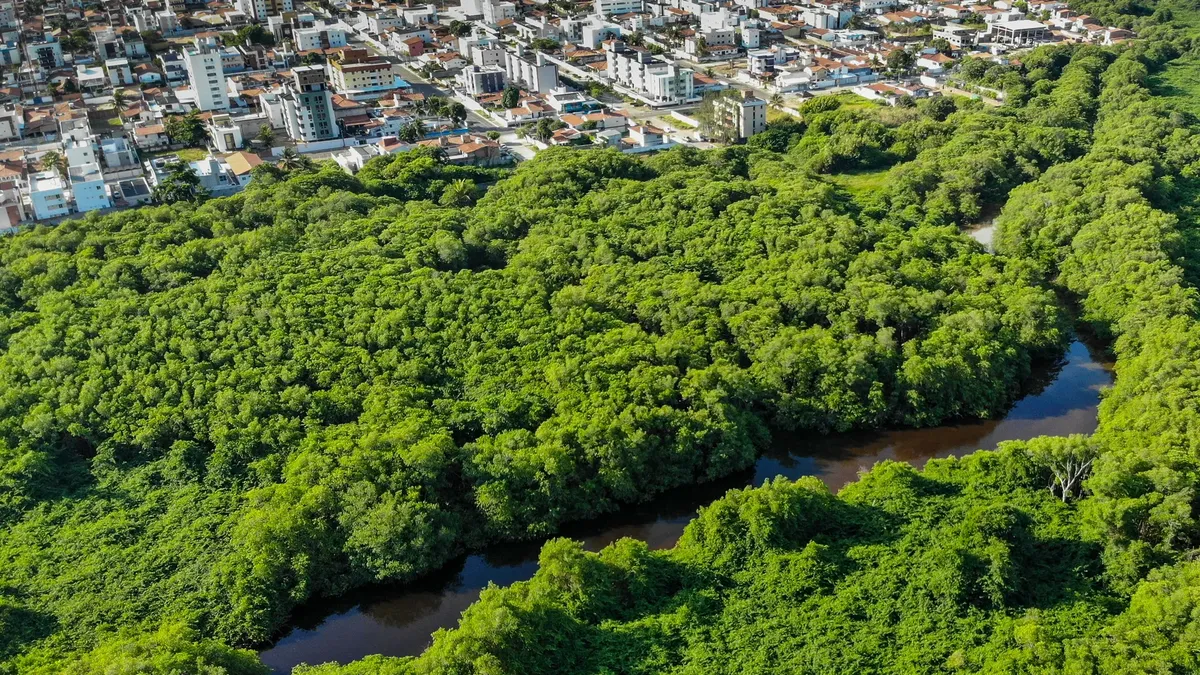
These figures illustrate a nation that is highly connected but still developing its high-tech manufacturing footprint. The gap between connectivity and specialized exports shows where future growth might occur.
The subject here is Brazil science environment balance.
The same subject is also called Green tech in Brazil.
The same subject is also called Science and Brazil ecology.
The same subject is also called Brazil environmental tech.
This part also covers How Brazil balances tech and nature.
How Brazil balances tech and nature
Related
- Brazil drone forest monitoring: Why monitor forest loss
- Why economic needs drive land use and deforestation risks
What challenges does the bridge present?
- The integration of advanced tools into ecological monitoring requires consistent data flow across varied terrains. 2. Ensuring that the high-tech manufacturing sector expands without increasing resource strain presents a constant condition. 3. Policy creation must bridge the gap between digital adoption rates and conservation mandates.
The bridge between technological progress and ecological preservation demands careful oversight of industrial expansion. Managing the growth of high-technology exports while safeguarding natural resources requires continuous evaluation.
How does data inform policy decisions?
Data drives the decision-making process necessary to maintain the bridge between progress and preservation. Satellite imagery provides authorities with the real-time tracking capability needed for conservation. This capability allows for proactive intervention when ecological changes are detected.
The high rate of internet connectivity supports the rapid dissemination of this environmental data across the country. This widespread access ensures that various stakeholders can engage with the findings. The data gathered informs the refinement of strategies for sustainable science.
The comparison between internet user share and high-technology export share shows where policy focus should shift. Policymakers can use this comparison to target investments that strengthen the bridge between the two domains. This strategic focus helps guide the nation's development path.


Comments 0