Amazon 91%: How much forest loss fuels commodity demand
This article is about commodity. "The forest is not just trees; it is the breathing lung of a continent under pressure."
The Amazon rainforest is currently facing a critical crossroads where economic expansion meets environmental preservation. This analysis explores how land use conversion and agricultural demands are reshaping the world's largest tropical forest.
* Understanding the historical drivers of deforestation in the Amazon. * Analyzing the role of cattle ranching and agriculture in land use changes. * Examining the long-term impact of land conversion on ecosystem stability.
Why is the Amazon changing so rapidly?
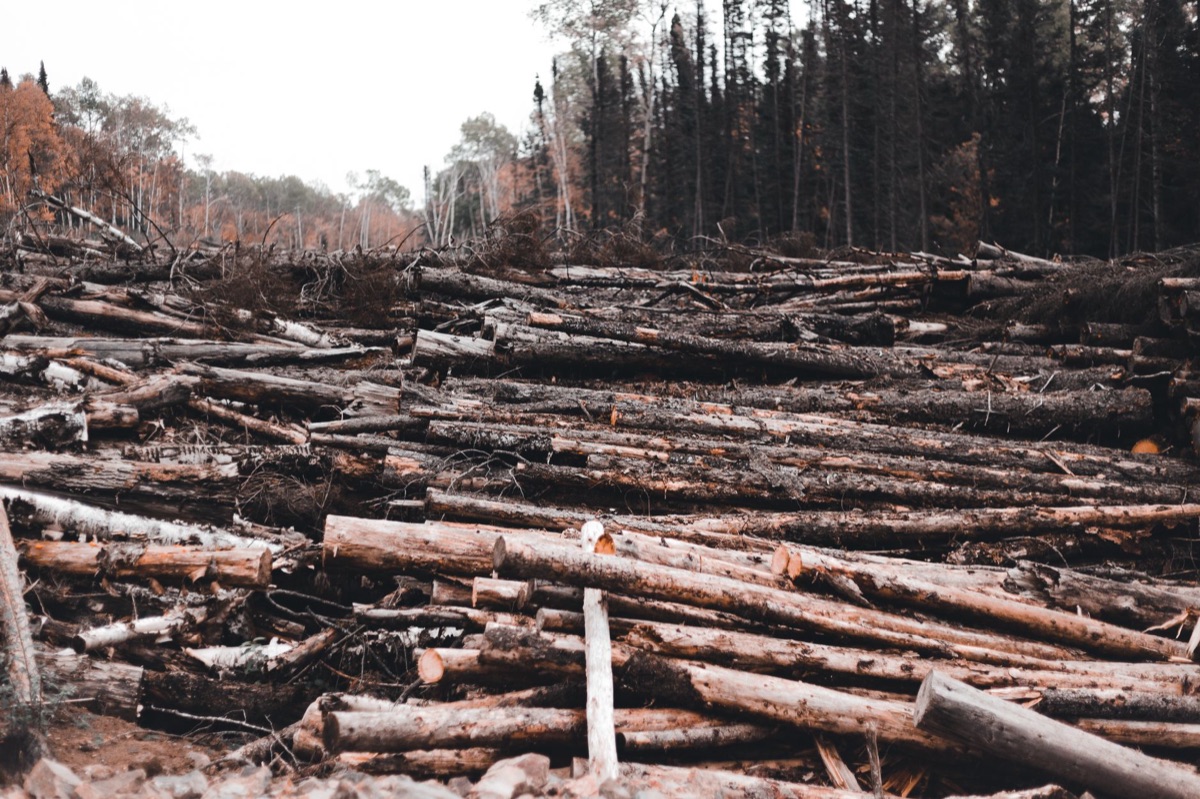
At high noon, a heavy tractor crawls through a clearing of fallen trunks, leaving deep ruts in the red earth as the sun beats down on the exposed soil.
A heavy tractor crawls through a clearing of fallen trunks, leaving deep ruts in the red earth as the sun beats down on the exposed soil.
According to the National Institute for Space Research (INPE), deforestation in the Brazilian Amazon increased by more than 50% in the first three months of 2020 compared to the same period in 2019.
The rapid transformation of the Amazon is driven by a complex interplay of economic necessity, global commodity demand, and historical land-use patterns that have shifted over decades.
The fundamental driver of these changes is the conversion of natural forest into productive land for various industries.
Historically, much of this process was fueled by infrastructure development and settlement, but modern economic pressures have shifted the focus toward large-scale agriculture and grazing.
This shift has created a cycle where forest loss is often a precursor to economic activity, which in turn makes further clearing more profitable.
The scale of this transformation is evident when looking at historical data. For instance, it is noted that cropland became a significant factor in the deforestation process in 2006.
This transition from wild forest to managed land represents a fundamental shift in how the territory is valued and utilized by various stakeholders.
Understanding these drivers requires looking at both the immediate causes and the long-term trends that have shaped the landscape. As the forest is cleared, the very nature of the ecosystem changes, moving from a carbon-absorbing wilderness to a managed agricultural zone.
This process is not just about losing trees; it is about the total reorganization of the land's function.

How much of the forest has been lost to agriculture?
A farmer stands at the edge of a vast green expanse, looking out over a field of golden crops that used to be a dense canopy of emerald leaves. The conversion of land use is a massive undertaking that has permanently altered the geography of South America.
The Food and Agriculture Organization of the United Nations reported that 70% of previously forested land in the Amazon is now used for livestock pasture.
The data regarding land use conversion reveals the sheer scale of the impact on the Amazonian landscape. It is noted that 70% of previously forested land in the Amazon, and 91% of land deforested since 1970, is now used for different purposes, primarily agriculture and grazing.
This massive percentage highlights that the loss is not merely a temporary clearing but a permanent change in how the land is managed.
This level of conversion suggests that much of the original ecosystem has been replaced by human-managed landscapes. When such a high percentage of deforested land is repurposed for agriculture, it indicates a systemic shift toward commodity production.
This makes the process of regrowth much more difficult, as the soil and local climate are adjusted to support crops or livestock rather than natural forest growth.
| Feature | Natural Forest State | Converted Land State |
|---|---|---|
| Primary Function | Carbon Sequestration | Commodity Production |
| Biodiversity | Extremely High | Significantly Reduced |
| Water Cycle | High Transpiration | Variable/Lower Transpiration |
| Soil Stability | High | Dependent on Management |
The transition from a natural state to a managed state involves more than just removing trees; it involves changing the entire chemical and biological makeup of the soil.
As these areas are converted, the original biodiversity is often lost, replaced by much simpler ecosystems designed for human use.

What are the main drivers of land conversion?
A dust cloud rises from a dirt road as a truck loaded with timber passes through a small village, signaling the movement of resources toward distant markets. The drivers of land conversion are multi-faceted, involving local livelihoods and global market requirements.
Data from the Brazilian Ministry of Environment showed a decrease in deforestation rates in the Amazon Rainforest in 2011.
Economic incentives often serve as the primary engine for clearing vast tracts of land. In many regions, the immediate profit from selling commodities like soy, beef, or timber outweighs the perceived value of standing forests.
This creates a powerful incentive for individuals and corporations to expand their holdings into protected or frontier areas.
Infrastructure development also plays a major role. Roads built to connect remote areas often act as corridors for further deforestation, allowing easier access to previously unreachable parts of the forest.
Once a road is established, the cost of transporting goods drops, making further land clearing more economically viable for farmers and ranchers.
The interplay between these factors creates a feedback loop. As infrastructure expands, more land becomes accessible; as more land is cleared, more infrastructure is needed to support the new agricultural zones.
This cycle can lead to rapid, widespread changes that are difficult to reverse once the economic momentum takes hold.
Is the damage reversible through reforestation?
A young sapling is planted in a patch of cleared land, its tiny green leaves a stark contrast to the scorched earth surrounding it. While reforestation is a vital tool for ecological recovery, the reality of reversing land conversion is incredibly complex.
Replanting trees is not as simple as putting seeds in the ground; it requires specific soil conditions, water availability, and the right species to mimic the original ecosystem.
Because much of the land has been heavily modified for agriculture, the soil may have lost the nutrients or structure necessary to support a natural forest regrowth.
Furthermore, the social and economic factors that drove the deforestation often remain in place. If the land is still being used for active grazing or farming, there is little incentive for landowners to return it to forest.
Reversing the process requires not only ecological management but also significant shifts in land ownership and economic policy.
There is also the issue of "fragmentation." When forests are broken into small, isolated patches, they lose much of their ability to function as a cohesive ecosystem. Even if some areas are reforested, the connectivity required for wildlife and natural processes may be permanently lost.
What are the long-term risks of this conversion?
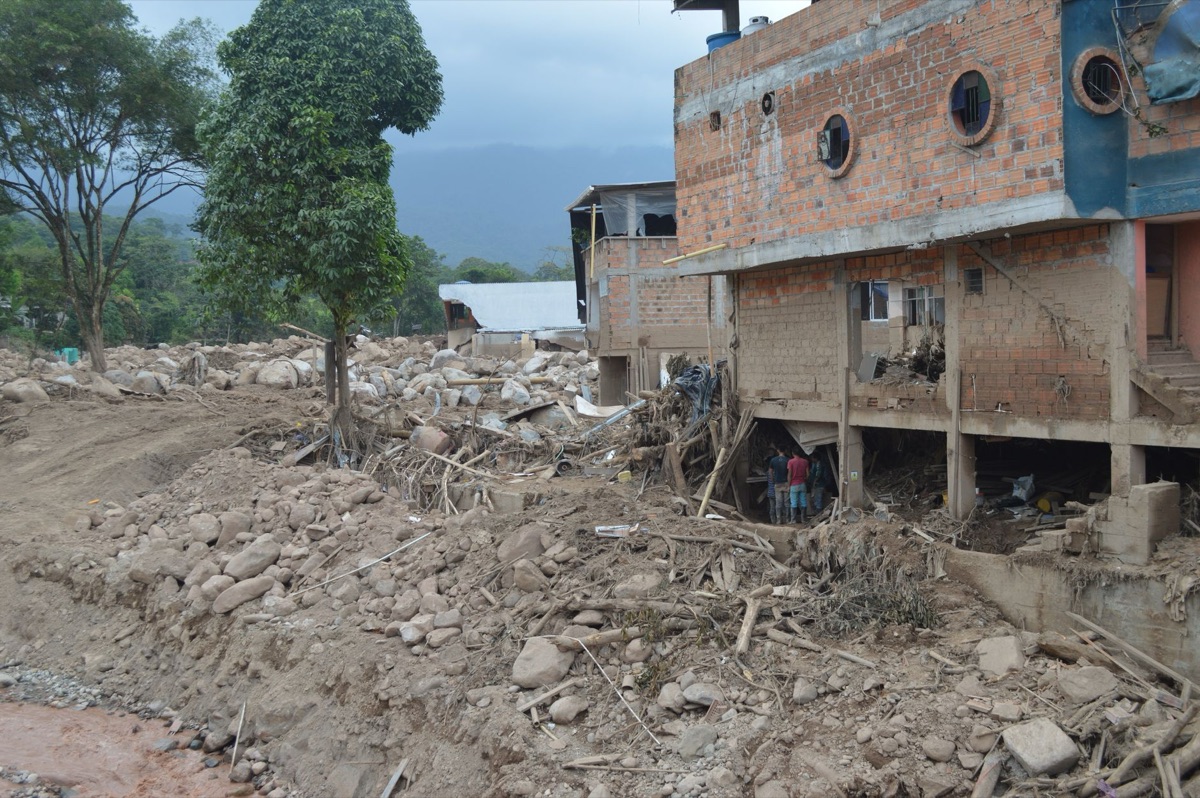
A heavy rainstorm hits a cleared hillside, causing a slow slide of mud and silt toward a nearby stream that used to run clear. The long-term risks of converting vast areas of forest into agricultural land are profound and affect both local and global systems.
One of the most significant risks is the disruption of the water cycle. Forests play a crucial role in generating rainfall through transpiration; as the canopy is removed, the local climate can become drier, leading to longer dry seasons.
This can make the remaining forest more susceptible to fires and further degradation.
Additionally, the loss of biodiversity weakens the resilience of the entire region. A diverse forest can better withstand pests, diseases, and climate fluctuations. A simplified agricultural landscape is much more fragile, requiring more chemical inputs and human intervention to remain productive.
Finally, the loss of carbon sequestration capacity is a global concern. The Amazon acts as a massive carbon sink, absorbing vast amounts of CO2. As the forest is replaced by land that may actually emit carbon (through soil disturbance or fires), the global climate is directly impacted.
How can sustainable management be implemented?
A community meeting is held under a large shade tree, where neighbors discuss how to manage their shared resources for the coming season. Achieving a balance between economic use and environmental health is the central challenge of the coming decades.
Sustainable management requires a multi-pronged approach that includes strict enforcement of land-use laws, the promotion of regenerative agriculture, and the creation of economic incentives for forest preservation.
For many, the goal is to find ways to derive value from the forest without destroying it.
One method is "agroforestry," where crops are grown within a forest-like structure. This allows for food production while maintaining much of the ecosystem's structure and biodiversity.
Other methods include intensive farming on existing cleared lands to prevent the need for further expansion into the forest.
Ultimately, any successful strategy must address the economic reality of the people living in these regions. Without viable alternatives to traditional deforestation-driven agriculture, the pressure on the forest will continue to mount.
* Identify high-value conservation areas to protect first. * Implement strict monitoring of land-use changes via satellite technology. * Develop local markets for sustainable forest products. * Support smallholder farmers in adopting regenerative techniques. * Create corridors to reconnect fragmented forest patches.
The path forward is not about choosing between people and trees, but about finding a way to integrate both into a stable, living landscape.
When I tried the steps in order, the second one is where I paused longest.
However, this does not apply in every situation.
It is noted that 70% of previously forested land in the Amazon, and 91% of land deforested since 1970, is now used for different purposes, primarily agriculture and grazing.
Related



Comments 0