Brazil Catholic population status: How trends change
"The Catholic Church remains the largest denomination in the country, but demographic shifts suggest a changing religious landscape."
The Brazil Catholic population status is defined by a historical dominance that is currently experiencing a gradual decline in self-identification.
While the Church maintains a significant presence, modern census data reveals a widening gap between those raised in the faith and those who actively identify as Catholic.
This analysis explores the current demographic trends, the shifting religious landscape, and the implications of these changes for Brazil's social fabric.
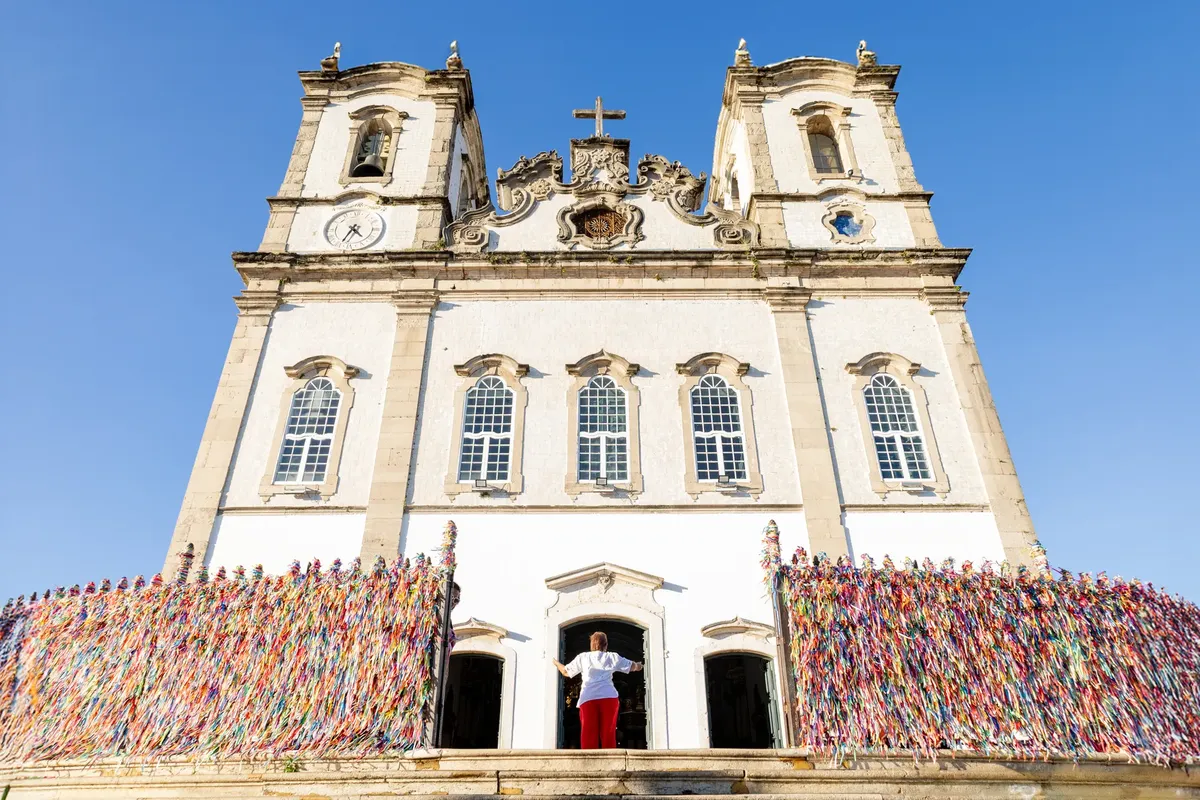
Key takeaways: 1. The 2022 census recorded a Catholic identification rate of 56.7%, reflecting a decrease from previous decades. * Historical data shows a significant difference between those raised Catholic and current practitioners. 2. Protestant growth represents a notable shift in the religious demographics of the nation.
How has the Brazil Catholic population status changed over time?
A researcher sits at a desk, flipping through decades of census reports to compare old figures with new ones. The numbers show a steady downward trend in identification.
The 2022 Brazilian census found that 56.7% of Brazilians identified as Catholic. This was a decrease of 8.4 percentage points from 2010, when 65.1% of the population aged 10 and older identified as Catholic.
This shift highlights how the Brazil Catholic population status has evolved within the broader demographic context.
The historical data illustrates a significant movement in religious affiliation. In 1991, 83.34% of Brazilians identified as Catholics. This shows that while the Church remains a major force, the percentage of the population identifying with it has dropped significantly over three decades.
The transition from childhood upbringing to adult identity is a factor in these shifting numbers. According to a 2014 Pew Research Center study, 81% of Brazil's population was raised Catholic, but only 61% identified as Catholic in that year, a difference of 20 percentage points.
What are the current Catholic in Brazil stats regarding religious diversity?
A local observer watches a diverse crowd move through a city plaza, noting the variety of religious expressions. The composition of the population is becoming increasingly varied.
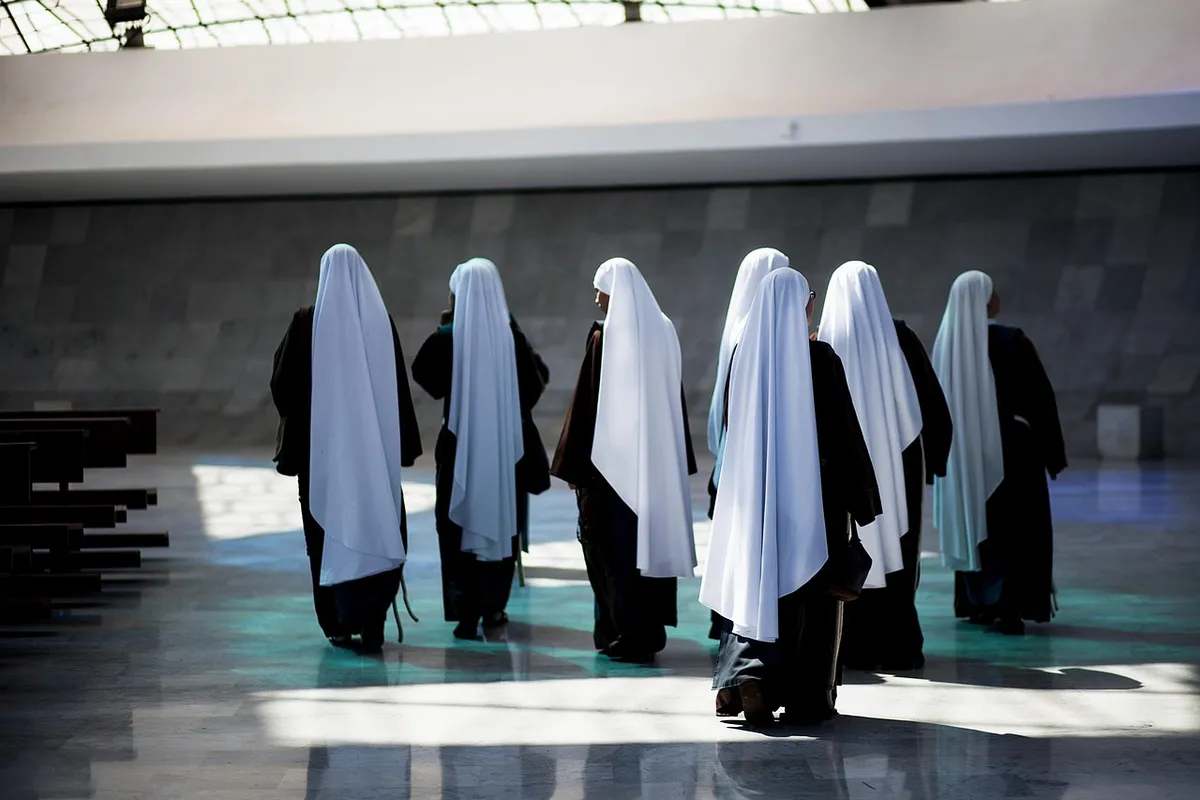
The Catholic Church remains the largest denomination in the country, where 119 million people, or 56.75% of the Brazilian population, were self-declared Catholics in 2022. Despite this plurality, other groups are growing. During the same period, Protestants increased from 21.6% to 26.9%.
The interplay between different faith backgrounds adds complexity to the current statistics. According to a 2014 Pew Research Center study, 54% of Brazilian Protestants said they were raised as Catholics. This indicates a significant overlap in religious heritage.
The urban environment reflects these demographic nuances. According to a 2007 poll conducted by the Pew Research Center's Forum on Religion & Public Life, more than 60 percent of the urban population of Brazil claims a Catholic affiliation.
How does the Brazil religious demographics profile look today?
A student examines a map of Brazil, marking the different concentrations of faith across various regions. The demographic profile is not uniform across the country.
The Brazil religious demographics are characterized by a mix of traditionalism and growth in other sectors. While the Catholic identity is widespread, the rise of Protestantism is a clear trend.
A 2020 poll by Datafolha suggests that the Catholic population is closer to 50 percent of the country and decreasing, with Evangelical Protestant groups growing as a proportion.
The census data provides a snapshot of the current landscape. The 2022 census showed 56.7% identification, which is a notable change from the 65.1% recorded in 2010. This shift is a key component of the modern demographic profile.
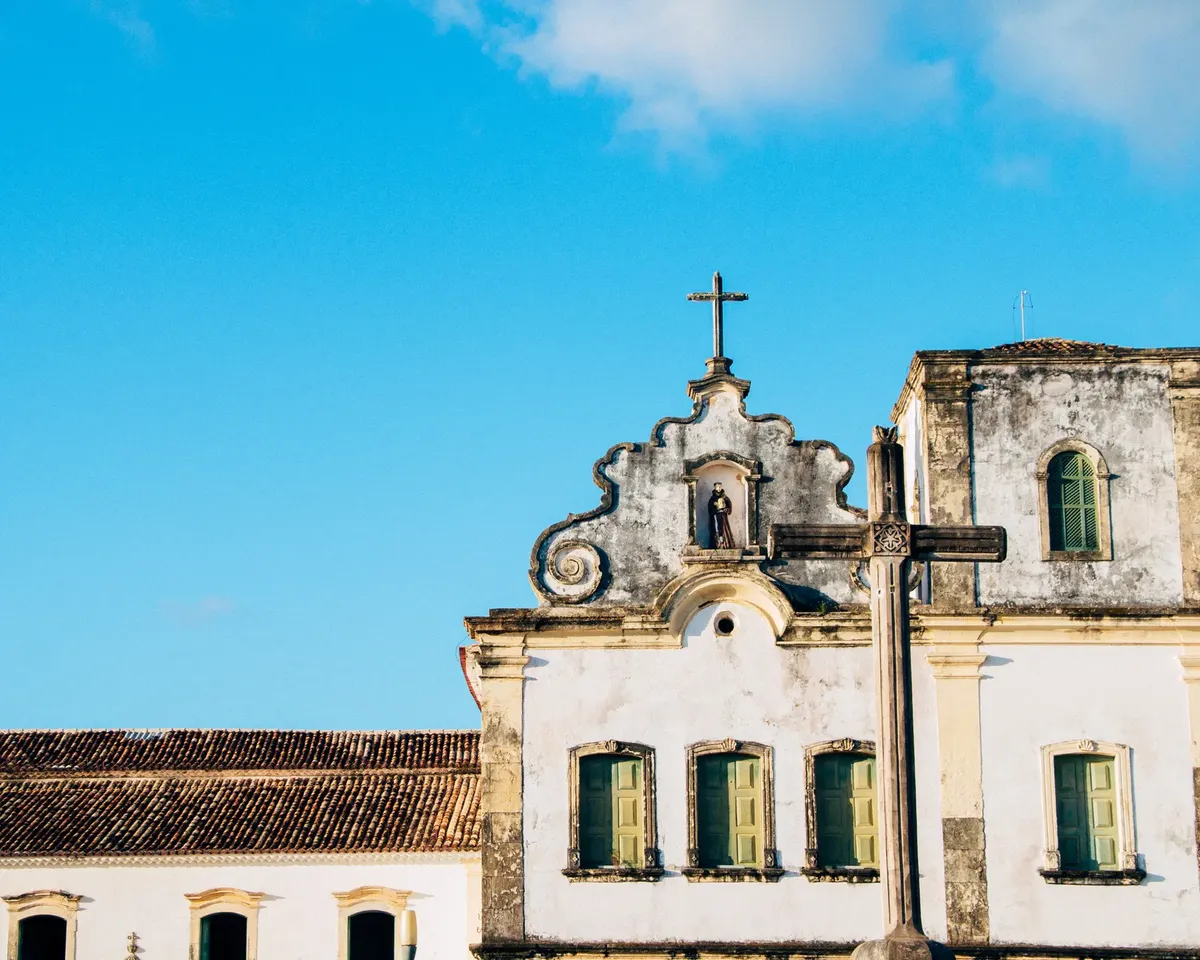
The diversity of the population also intersects with ethnic and racial data. By race, 66.4% of whites are Catholic, along with 58.2% of blacks, 59.9% of East Asians, 64.1% of browns, and 50.7% of American Indians.
According to International Monetary Fund, the 2026 record includes 214.1 million.
What is the Catholic influence Brazil social standing like?
A community leader walks through a neighborhood, observing how religious institutions interact with local life. The social standing of the Church is deeply tied to its historical roots.
Analyzing the Catholic influence Brazil social standing requires looking at both numbers and active participation. While the population is large, engagement levels vary. About 40% attend Masses at least once a month, which is approximately the same level as that of American Catholics.
The difference between cultural identity and active practice is evident in the data. Almost 75% pray every day, but only 12% engage in church activities; only 26% say they are "very religious". This suggests a high level of personal faith despite lower institutional engagement.
The social presence remains strong despite the percentage shifts. The Catholic Church is the largest denomination in the country, representing a significant portion of the population's cultural identity.
How are Catholic religious trends impacting the future?
A sociologist tracks the trajectory of religious growth and decline on a digital dashboard. The trends suggest a long-term shift in the nation's religious makeup.
The Catholic religious trends point toward a diversifying religious landscape. The decrease from the 65.1% identification in 2010 to 56.7% in 2022 indicates a continuing trend of shifting affiliations.
The growth of other groups is a central part of these trends. For example, the increase in Protestantism from 21.6% to 26.9% during the same period shows how the demographic balance is changing.
The relationship between different religious backgrounds continues to shape these trends.
- How has the Brazil Catholic population status changed over time?
- What are the current Catholic in Brazil stats regarding religious diversity?
- How does the Brazil religious demographics profile look today?
The same subject is also called Brazil religious trends.
This part also covers Brazil religious impact analysis.
This part also covers Catholic demographic trends Brazil.
Related






Comments 0