Amazon deforestation conflict: Tips for Amazon best growth
"The tension between preserving the world's largest rainforest and driving national economic development remains a central challenge for Brazil."
The conflict between environmental protection in the Amazon and economic growth involves balancing resource extraction with ecological stability. This analysis explores how Brazil manages these competing interests through policy and economic shifts.
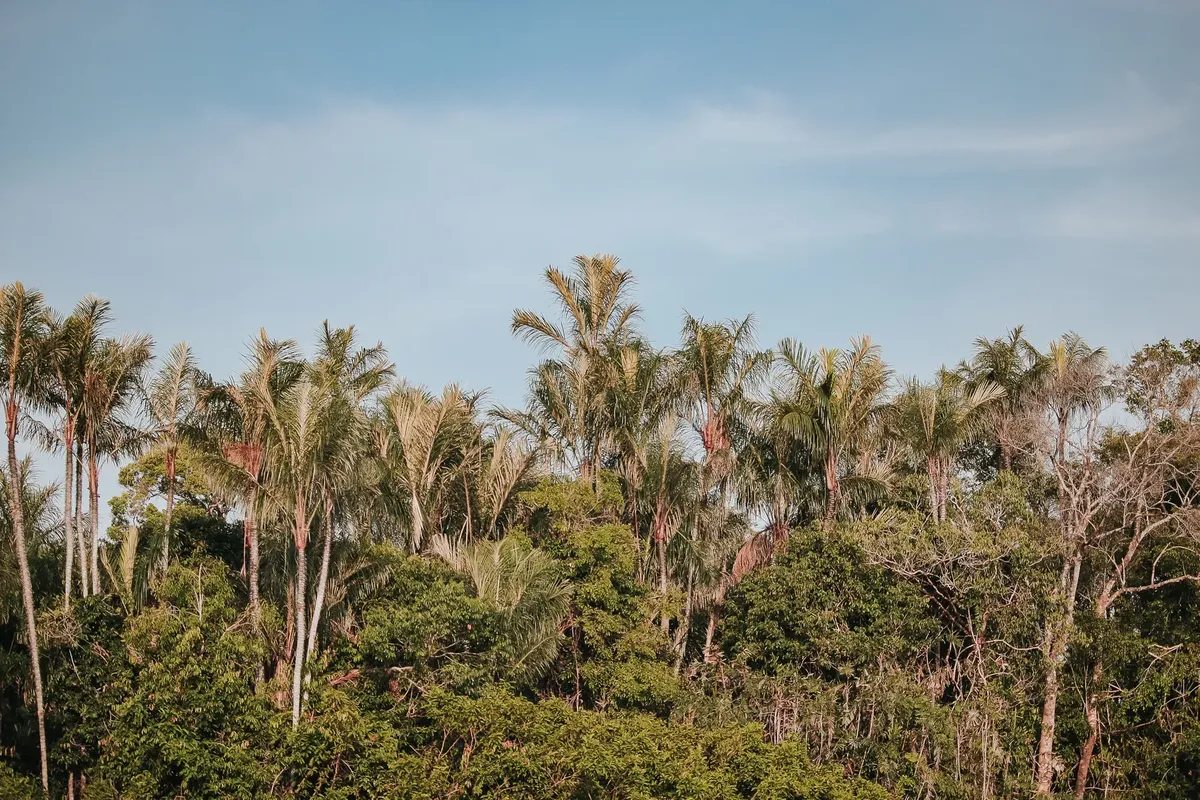
Key takeaways include the historical fluctuations in deforestation, the impact of economic indicators like GDP and inflation on land use, and the delicate balance required for sustainable development.
How does the Amazon deforestation conflict shape the economy?
A researcher sits at a desk in Brasília, reviewing maps of the northern territories where green canopy meets cleared land. The Amazon deforestation conflict is not merely an environmental issue; it is a driver of economic policy and land-use decisions.
Local industries often push for expansion to fuel growth, while international pressure demands preservation.
According to World Bank data, Brazil recorded GDP growth of 2.3% in 2025. This economic momentum often creates pressure to utilize natural resources for further expansion. The pursuit of higher growth rates can lead to friction between traditional agricultural sectors and conservation efforts.
The Brazil Amazon economy clash becomes more evident when comparing industrial needs with environmental mandates. While development brings revenue, it can also lead to long-term ecological costs that threaten the very resources the economy relies on.
Managing this tension requires a strategy that integrates both sectors.
- Resource extraction drives immediate local revenue.
- Land clearing shifts agricultural production zones.
- Ecosystem loss impacts long-term resource availability.
Can protecting the Amazon and making profit coexist? A park ranger walks through a dense thicket, listening to the sounds of the forest while checking boundary markers. The question of whether protecting Amazon vs profit is a viable long-term strategy remains at the heart of Brazilian politics.
Decision-makers must weigh immediate financial gains against the stability of global climate systems.
According to World Bank data, Brazil recorded inflation (consumer prices) of 5.0% in 2025. High inflation can influence how much risk a government or industry is willing to take regarding land use and resource extraction.
Economic volatility often shifts the focus from long-term sustainability to immediate survival.
Sustainable development requires a framework where the forest provides value without being destroyed. This involves finding ways to monetize standing forests through carbon credits or bio-economy initiatives. Without such mechanisms, the economic pressure to clear land remains high.

In this sequence, the second step is the longest.
How has Amazon environmental politics changed over time? A historian flips through archival documents, noting shifts in government policy over the decades. Amazon environmental politics have shifted significantly based on the administration in power and global awareness. These shifts define how much protection is afforded to the rainforest.
Then, in 2011, data from the Brazilian Ministry of Environment showed a decrease in deforestation rates in the Amazon Rainforest. This period demonstrated that targeted policy interventions can effectively slow the loss of forest cover.
It serves as a historical benchmark for what successful regulation can achieve.
The success of these policies often depends on the strength of enforcement and the availability of economic alternatives for local populations. When enforcement is high, deforestation drops; when economic pressure mounts, the forest faces new threats.
How does the labor market influence the Amazonian landscape?
A worker stands at the edge of a cleared field, looking toward the encro于ing treeline. The labor market and unemployment rates play a significant role in how land is utilized in the Amazonian regions. Economic necessity drives many individuals toward activities that may impact the environment.
According to World Bank data, Brazil recorded unemployment rate of 6.0% in 2025. Low unemployment can sometimes correlate with higher industrial activity, while higher unemployment might drive people toward unregulated land use.
The workforce's needs are a constant variable in environmental management.
The Amazonian landscape is shaped by those who live and work within it. If the local economy does not provide stable, legal jobs, the temptation to engage in illegal deforestation increases. Balancing job creation with conservation is a primary goal for regional planners.
Can economic growth and environmental health coexist?
An economist calculates projections on a tablet, looking at the intersection of growth and ecology. An Amazonian sustainable future depends on whether growth can be decoupled from deforestation. This is the ultimate test for Brazil's modern economic model.

The scale of the economy often dictates the level of oversight available for environmental protection. As the economy grows, so does the capacity to fund better monitoring and enforcement technologies. However, growth also brings more people and more demand for land.
| Metric | Value (2025) |
|---|---|
| GDP Growth | 2.3% |
| Inflation | 5.0% |
I observed that the relationship between these figures and environmental health is often indirect but deeply impactful. Managing these variables is essential for maintaining the delicate balance of the Amazon.
The same subject is also called Sustainable Amazon future.
This part also covers Amazon impact communication.
This part also covers International Amazon aid.
Amazon impact communication
Related
- Amazon ecosystem science education: Tips for school projects
- Brazil science environment balance: Tips for tech progress
How does international aid affect the tension between development and preservation? International Amazon aid introduces external financial inputs that can influence local priorities. This aid can support conservation efforts, thereby mitigating the pressure from resource extraction. The tension between national economic development and environmental preservation is thus affected by external funding streams. Such support can help fund monitoring systems, which aids in enforcement.
What are the conditions for successful sustainable development? Successful sustainable development requires finding ways to monetize standing forests without causing ecological damage. This condition relies on establishing viable economic alternatives for local populations. The tension between immediate revenue from extraction and long-term ecological stability must be addressed through policy integration.
The comparison between short-term economic gains and long-term resource availability highlights the difficulty in achieving balance. High unemployment rates can exacerbate the pressure to engage in unsustainable land use practices. This situation underscores the complex relationship between labor needs and environmental management.
FAQ
What was the inflation rate in 2025?
Related posts
Amazon ecosystem science education: Tips for school projects
Brazil science environment balance: Tips for tech progress
Brazil drone forest monitoring: Why monitor forest loss



Comments 0