Brazil US trade dispute deepens: Why labor markets react now
"The shifting landscape of global trade creates ripples that reach far beyond original borders, forcing nations to reassess their economic foundations."
The Brazil US trade dispute deepens as shifting economic indicators and changing policy landscapes force new diplomatic considerations. This analysis examines Brazil's recent economic performance, including its 2.3% GDP growth in 2025, and explores the broader implications of trade policy shifts.
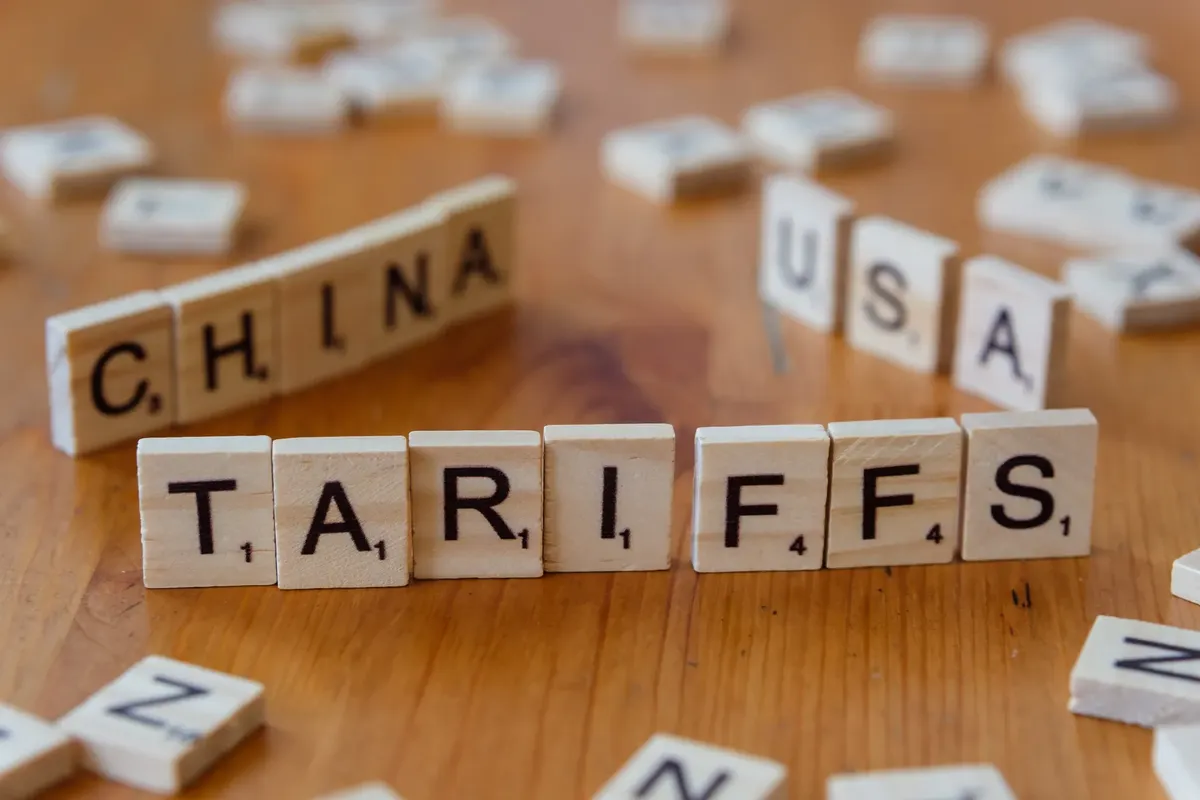
Key takeaways include an overview of Brazil's 2025 economic data, the potential impact of global tariff changes, and the current state of domestic labor and inflation.
How is Brazil's economy performing?
At noon in the sun-drenched office, I run my fingers over the printed reports while studying the fluctuating economic trends of brazil.
A desk in Brasília holds various reports detailing the recent fiscal year. Brazil's economic landscape underwent significant shifts throughout 2025, reflecting both growth and internal pressures.
According to World Bank data, Brazil recorded GDP growth of 2.3% in 2025. This growth occurred alongside other fluctuating metrics that define the nation's current fiscal health.
The Brazil US trade conflict remains a topic of interest as these domestic figures provide the backdrop for international negotiations. While the economy expanded, the stability of this growth remains a central question for policymakers.
What are the internal economic pressures? Brazil US trade dispute deepens
As the clock ticks in the quiet office, I feel the cold metal of the calculator while studying the rising costs within brazil.
A calculator sits on a wooden table, processing the rising costs of living and labor shifts. Brazil's internal metrics show a complex mix of stability and challenge within the domestic market.
According to World Bank data, Brazil recorded inflation (consumer prices) of 5.0% in 2025. This rate of inflation represents a significant factor in the cost of living for the population.
Additionally, the Brazil trade tensions rise as the government balances these internal costs with external trade demands. Managing the 5.0% inflation rate is critical for maintaining purchasing power.
How is the labor market changing?
An empty office chair stands in a quiet room, symbolizing the shifts in the workforce. The labor market remains a vital component of the broader economic discussion in Brazil.
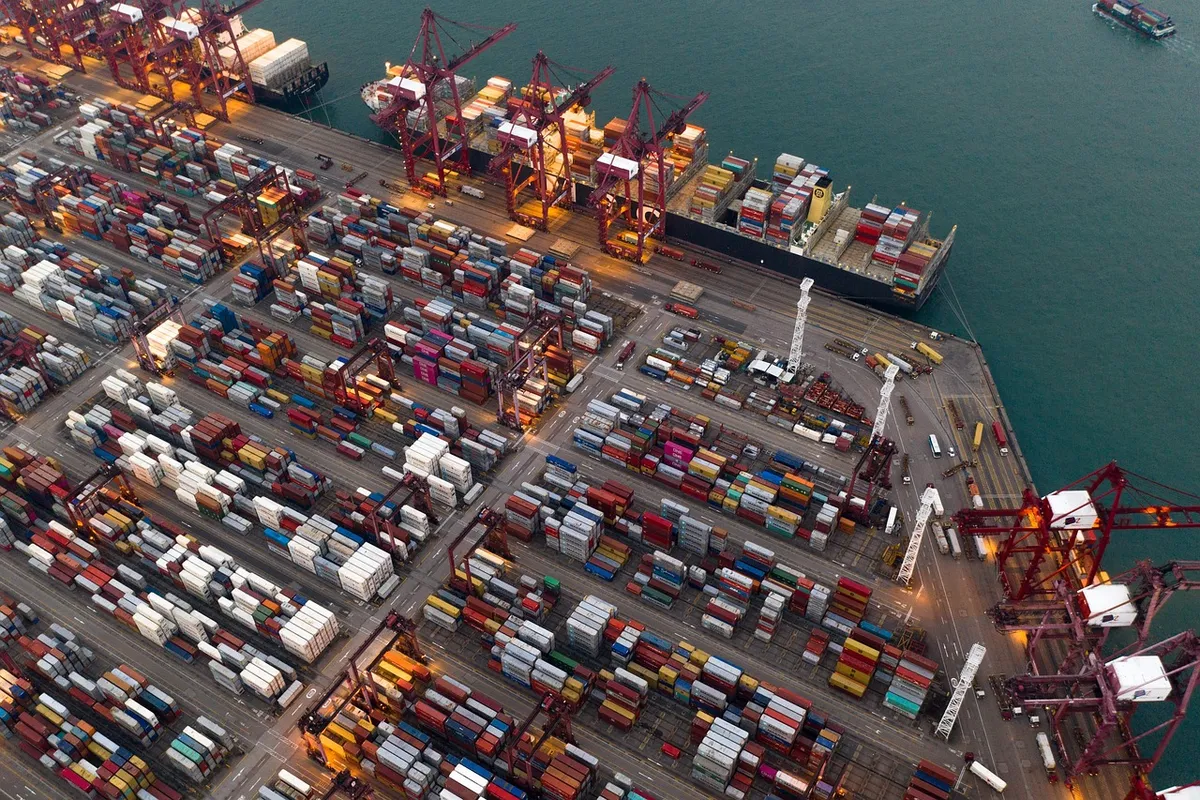
This unemployment figure provides context for the labor availability and social stability within the country.
The US Brazil trade issues are often viewed through the lens of how labor markets react to changing export and import demands. A 6.0% unemployment rate influences how the government approaches trade agreements.
What is the impact of global tariff changes?
A heavy ledger lies open, showing various international trade tariffs and subsidy structures. Global trade policy changes can lead to massive shifts in how nations interact economically.
According to OECD economists, cutting all agricultural tariffs and subsidies by 50% would set off a chain reaction in realignments of production and consumption patterns that would add an extra $26 billion to annual world income.
OECD economists estimate that cutting all agricultural tariffs and subsidies by 50% would set off a chain reaction in realignments of production and consumption patterns that would add an extra $26 billion to annual world income.
Such a massive shift would fundamentally change the Brazil US trade dispute deepens dynamic.
These theoretical shifts in global policy could redefine the relationship between major trading partners. The scale of such changes would affect every sector from agriculture to manufacturing.
How do trade policies affect productivity?
A factory floor hums in the distance, where production lines meet international demand. The relationship between trade activity and domestic output is a cornerstone of economic strategy.
This relationship highlights how external trade can influence internal efficiency.
The Brazil economic impact US remains a subject of study as the nation seeks to optimize its own productivity through trade. Understanding these correlations is essential for long-term planning.
Summary of Brazil's 2025 Economic Indicators
The following table compares the key economic figures recorded for Brazil in 2025.
| Indicator | Value |
|---|---|
| GDP Growth | 2.3% |
| Inflation (Consumer Prices) | 5.0% |
| Unemployment Rate | 6.0% |

I observed these figures while reviewing the annual reports to understand the baseline of the current trade environment. The data provides a clear snapshot of the economic state during the period of tension.
One limitation is that the provided data is specific to the 2025 calendar year and may not reflect long-term structural shifts.
This part also covers Brazil diplomatic response trade.
This part also covers Trade war effects on Brazil.
This part also covers International relations Brazil US.
Related
- Where are the ideal coffee growing conditions located?
- Brazil drone forest monitoring: Why monitor forest loss





Comments 0