Brazil Japan immigration history: Tips for community success
"The history of Japanese in Brazil is a story of deep roots and unexpected social influence."
The history of Brazil Japan immigration history is defined by a transition from rural coffee plantations to significant urban social influence. This overview examines the movement of immigrants, their educational impact, and the challenges of forced assimilation.
Key takeaways include the concentration of early settlers in São Paulo, the high educational attainment of the community, and the resilience shown during periods of government-manded relocation.
Where did the first Japanese immigrants settle in Brazil? An old steam train rattles through the countryside, carrying families toward new lives in the fertile hinterlands. Between 1917 and 1940, over 164,000 Japanese came to Brazil, with 90% of them going to São Paulo, where most of the coffee plantations were located.
This massive movement shaped the demographic landscape of the state.
Most of these arrivals sought work in the agricultural sector to establish a foothold. Despite various plans to return home, only 10% of the nearly 190,000 Japanese who immigrated to Brazil before the Second World War returned to Japan. They remained to build a permanent presence.
The community faced significant hurdles during periods of political tension. On July 10, 1943, approximately 10,000 Japanese and German and Italian immigrants who lived in Santos had 24 hours to close their homes and businesses and move away from the Brazilian coast.
This forced relocation disrupted lives but did not break the community's resolve.
How did the community achieve such high education levels?
A student sits in a quiet library, flipping through textbooks to prepare for university entrance exams. By 1958, Japanese and their descendants, though less than 2% of the Brazilian population, accounted for 21% of Brazilians with education beyond high school.
This early investment in learning set a foundation for future generations.
The intellectual engagement of the community was notably high during the mid-20th century.
In 1939, research of Estrada de Ferro Noroeste do Brasil, from São Paulo, showed that 87.7% of Japanese Brazilians read newspapers in the Japanese language, a high figure for a country with many illiterate people like Brazil at the time.
This literacy rate highlighted a strong commitment to information and language.
The demographic shifts influenced the community's structure over time. As of 1987, many Japanese Brazilians belonged to the third generation (sansei), who made up 41.33% of the community. This growing population continued to integrate into various professional sectors.
According to International Monetary Fund, the 2026 record includes 214.1 million.
What were the effects of Japanese immigration to Brazil? A merchant counts inventory in a bustling urban shop, preparing for the day's customers. The shift from rural farms to city centers changed the economic footprint of the community. In the 1970s, 80% of the 3,500 establishments that washed and ironed the clothes of São Paulo citizens were Japanese.
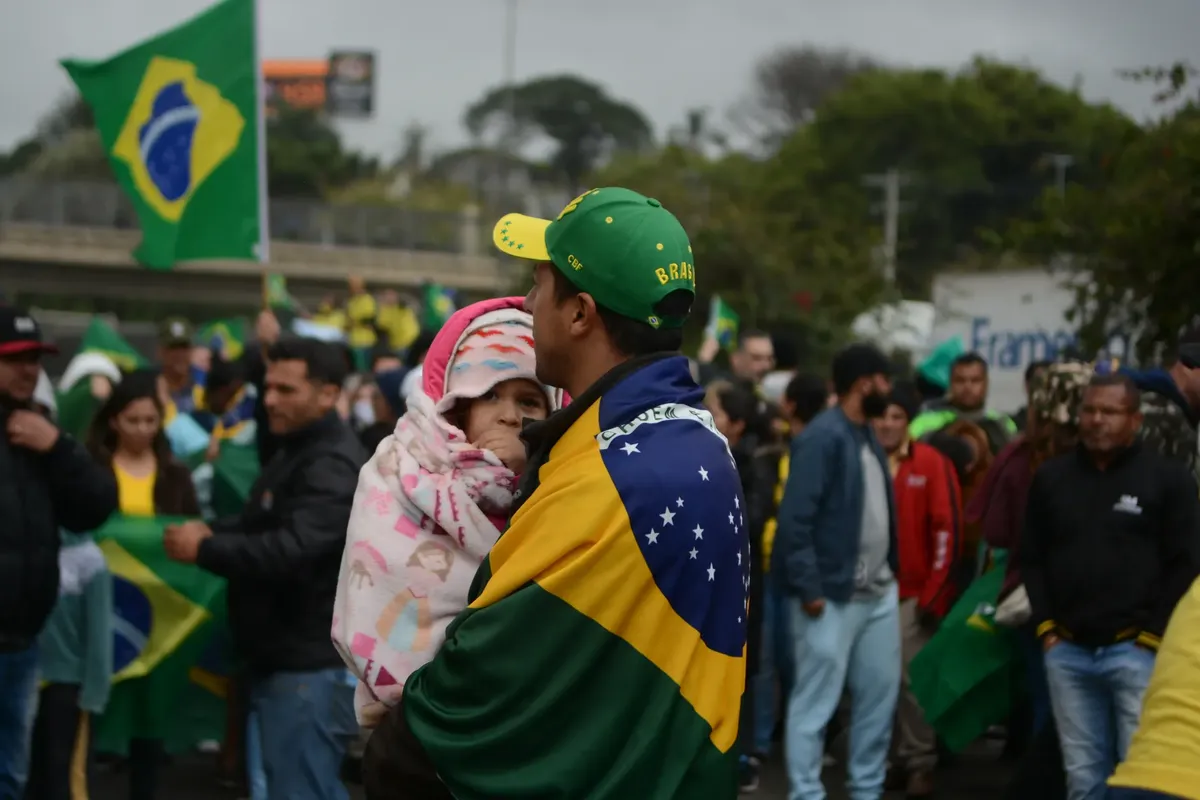
According to the International Monetary Fund, Brazil recorded population (millions) of 214.1 million in 2026.
According to World Bank data, Brazil recorded total population of 212,812,405 in 2025.
This economic integration showed how the community successfully navigated urban life. While they started in the fields, they moved into essential service industries. This transition was a key part of their social mobility.
The scale of the population remains a significant context for these historical movements.
This large national population provided a vast backdrop for the specialized growth of the Japanese-Brazilian community.
How did the community handle the era of forced assimilation?
A government official signs a decree that changes the daily lives of thousands of residents. Some years before World War II, the government of President Getúlio Vargas initiated a process of forced assimilation of people of immigrant origin in Brazil.
This period created significant tension between the state and immigrant families.
The policy aimed to integrate different ethnic groups into a singular national identity. For Asian [immigrants] there will be allowed each year a number equal to 5% of those residing in the country... This regulation shaped the controlled flow of people.
Despite these pressures, the community maintained its unique identity while becoming part of the national fabric. They balanced the requirements of the state with their own cultural heritage. This duality defined much of their social experience.
What is the importance of learning Japanese for Brazilians today?
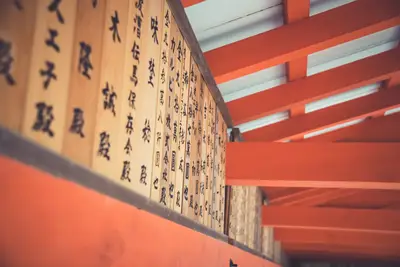
A young adult practices writing characters in a notebook, looking toward a future of international connection. The legacy of the immigrant group is seen in the high level of academic success.
This gap in educational attainment illustrates the community's focus on higher education. The success of the descendants provided a bridge between the two nations. It also created a unique social standing within Brazil.
The cultural ties remain strong through these educational achievements. The ability to navigate both Brazilian and Japanese academic standards became a hallmark of the community. It turned a small minority into a highly influential group.
| Era | Key Statistic |
|---|---|
| Pre-WWII | 10% return rate to Japan |
| 1970s | 80% of laundry businesses in São Paulo |
I noticed how the educational statistics reflected a clear shift from manual labor to professional careers.

The history of the community is limited to the specific migration and demographic data provided in the recorded sources.
- Where did the first Japanese immigrants settle in Brazil?
- How did the community achieve such high education levels?
- What were the effects of Japanese immigration to Brazil?
Brazil Japan immigration history
The subject here is Brazil Japan immigration history.
The same subject is also called Japanese in Brazil society.
The same subject is also called Brazil Japan cultural ties.
The same subject is also called Immigration trends Brazil Japan.
The same subject is also called Japanese community Brazil.
This part also covers Social change Japanese influence.
This part also covers Policy on Japanese migration.
Related




Comments 0