What role does manufacturing play in Brazil science farming?
"The intersection of digital connectivity and traditional land management is reshaping how nations feed their populations and protect their ecosystems."
Brazil is currently navigating a complex transition where digital connectivity and high-tech manufacturing meet traditional agricultural practices. This shift aims to balance increased productivity with environmental stewardship through data-driven solutions.
Key takeaways include a high rate of internet connectivity, a growing high-technology export sector, and a significant focus on renewable energy and sustainable financing for regions like the Cerrado.
How does digital connectivity shape Brazil agritech innovation?
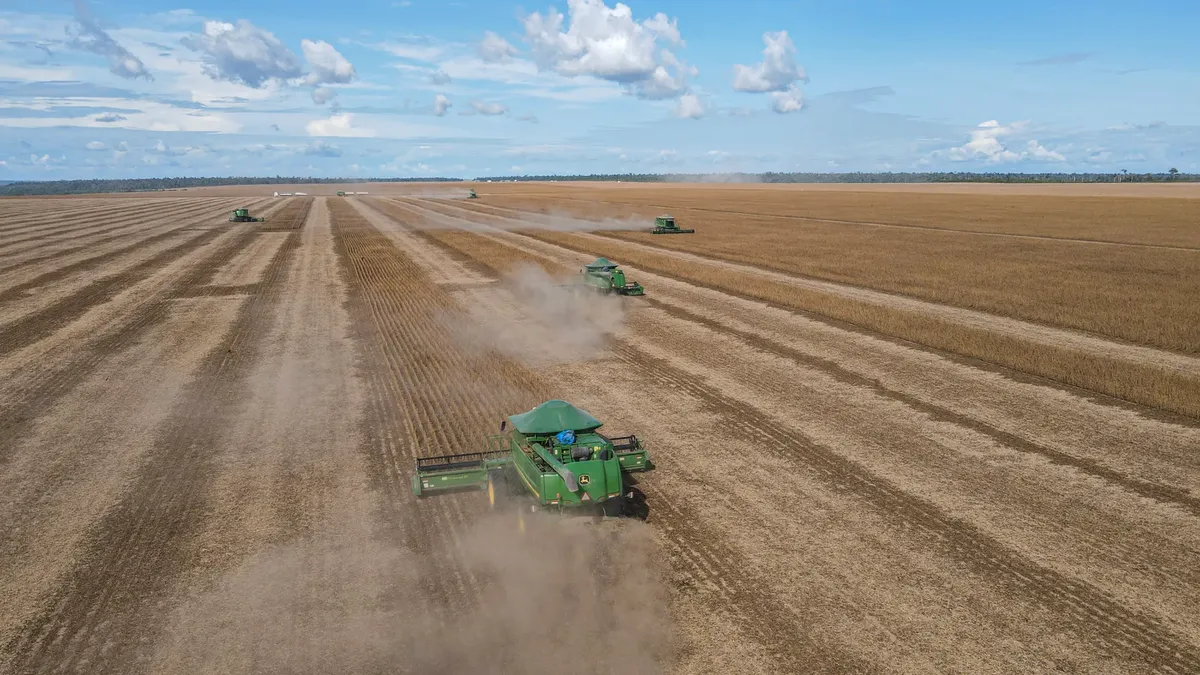
At dusk in a remote field, a farmer taps a glowing smartphone screen to feel the pulse of data flowing through the vast landscape of brazil.
A farmer in a remote field holds a smartphone, checking weather patterns and soil data via a satellite link. This seamless connection represents the foundation of modern field management.
According to World Bank data, Brazil recorded a share of internet users of 84.5% in 2024. This widespread connectivity provides the necessary infrastructure for real-time data exchange across vast rural landscapes.
High internet penetration allows for the deployment of precision farming tools that require constant data updates.
Brazil agritech innovation relies heavily on this digital backbone to bridge the gap between urban tech hubs and rural production zones. By utilizing these networks, producers can implement remote monitoring and automated systems.
This connectivity ensures that information flows as quickly as the crops grow.
What role does manufacturing play in Brazil science farming?
A technician inspects a specialized sensor designed for heavy-duty field use at a manufacturing plant. The precision of these tools determines the success of automated harvesting.
The development of specialized hardware is a key component of localized technological advancement.
This indicates a growing capacity to produce sophisticated tools that serve both domestic and international markets.
Brazil science farming benefits from this domestic manufacturing capability, which reduces reliance on expensive imports. Localized production allows for hardware that is specifically tuned to the unique environmental conditions of South American climates.
This synergy between manufacturing and field application drives efficiency.
According to World Bank, the 2024 record includes 84.5%.
How is energy used for Agri tech Brazil progress?
A solar array sits quietly at the edge of a vast plantation, powering irrigation systems without disturbing the soil. The sun provides a steady source of energy for the sensors below.
Sustainable energy integration is vital for maintaining large-scale operations without increasing the carbon footprint. According to World Bank data, Brazil recorded a renewable energy share of final consumption of 46.5% in 2021.
This high level of renewable usage provides a blueprint for powering remote agricultural sites.

Agri tech Brazil progress is increasingly tied to this renewable energy foundation. Using sun or wind to power automated machinery and data centers ensures that technological growth does not come at a direct cost to traditional energy stability.
This balance is essential for long-term operational viability.
How do we achieve Tech for Brazilian farms?
A researcher reviews a digital map of the Cerrado, looking at data points that indicate soil health and moisture levels. The map represents years of data collection.
Sustainable development requires specific financial strategies to support large-scale ecological transitions. The World Business Council for Sustainable Development (WBCSD) discussed financing the future of sustainable agriculture in Brazil’s Cerrado during London Climate Action Week 2025.
These discussions highlight the need for targeted investment to protect vital biomes.
Achieving Tech for Brazilian farms involves aligning these financial models with practical field requirements. Investment must support both the hardware and the ecological safeguards necessary to prevent land degradation.
Successful implementation requires a bridge between global finance and local land management.
What are the challenges in Brazil solving farm issues?
A heavy rainstorm hits a field, and a technician checks the drainage sensors to ensure the automated systems remain functional. The weather tests the limits of the technology.
While technology offers solutions, it also introduces new complexities in maintenance and data management. Brazil solving farm issues requires constant adaptation to changing weather patterns and biological shifts.
The integration of high-tech tools into traditional workflows can create friction if not managed through proper training.
The complexity of these systems means that a single failure can disrupt an entire automated chain. Managing these risks requires a workforce that is as skilled in data analysis as they are in traditional agronomy.
The goal is to create a resilient system that can withstand both environmental and technical challenges.
How do we manage the transition to sustainable Brazilian farming?
A group of workers gathers to discuss a new irrigation schedule based on the data retrieved from the morning's sensor sweep. The conversation links data to human action.
Sustainable practices must be integrated into the daily routine of every farm to be effective. Sustainable Brazilian farming relies on the successful marriage of high-tech data and ecological preservation. This involves using data to minimize chemical use and maximize water efficiency.
| Metric | Value |
|---|---|
| Internet User Share (2024) | 84.5% |
| High-Tech Export Share (2024) much | 11.1% |
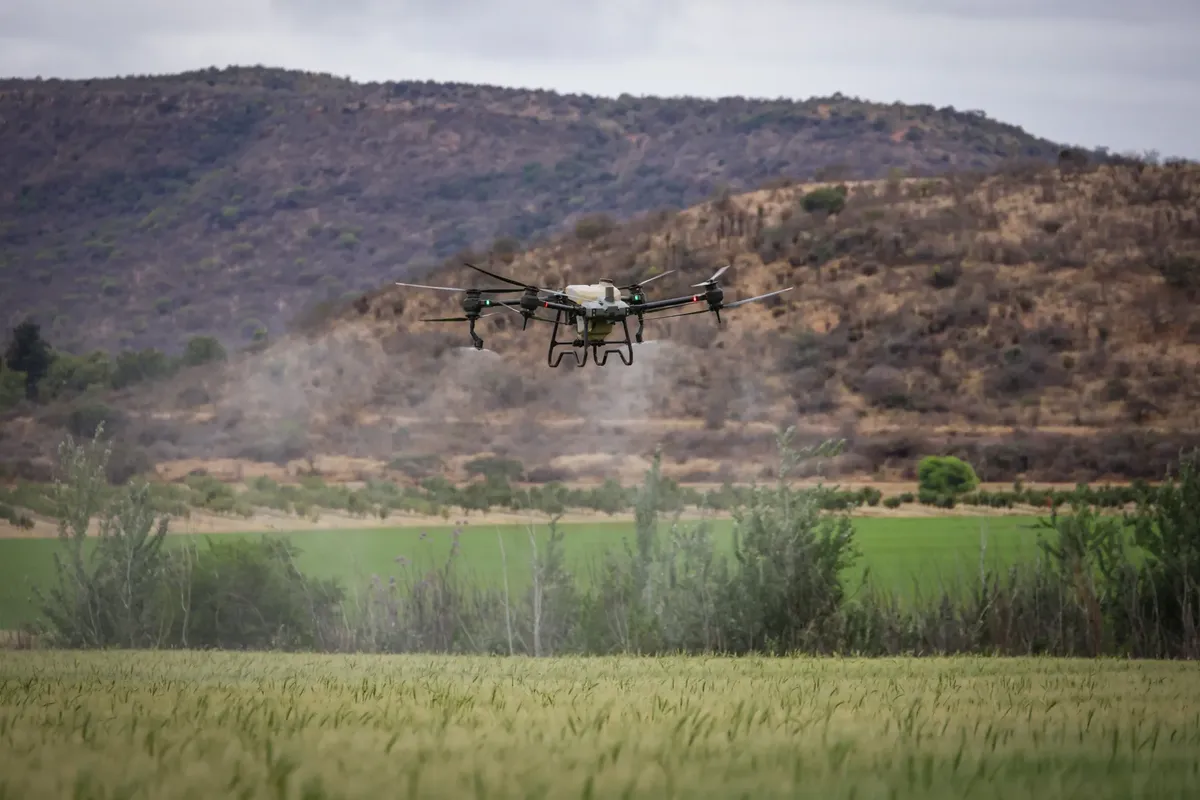
I observed how the data from a single sensor can change an entire field's irrigation plan. The shift toward data-driven decisions requires a fundamental change in how land is perceived and managed.
A limitation of this technological shift is that high-tech solutions may not be immediately accessible in areas where physical infrastructure still lags behind digital connectivity.
- How does digital connectivity shape Brazil agritech innovation?
- What role does manufacturing play in Brazil science farming?
- How is energy used for Agri tech Brazil progress?
This part also covers How tech boosts Brazil crops.
This part also covers Science in Brazilian agriculture.
Related




Comments 0