Brazil forest destruction policy: How to best guide survival
"The forest is not just a collection of trees; it is the heartbeat of our climate and the foundation of our survival."
Brazil forest destruction policy remains a complex struggle between environmental preservation and economic necessity.
For those tracking land use, the key takeaway is that while recent data shows significant reductions in clearing rates, local economic drivers like cattle and soy continue to create tension.
This guide explores the historical trends, the impact of monitoring systems, and the economic factors influencing these shifts.

* Recent declines in deforestation rates through intensified policing. * The role of the DETER system in monitoring real-time changes. * Economic pressures from agribusiness, specifically beef and soy. * The distinction between Amazon and Cerrado biome trends.
What are the biggest environmental threats to Brazil?
In a dusty office in Brasília, I run my hand over a map of Brazil while feeling the heat from the midday sun. A researcher sits in a dusty office in Brasília, reviewing maps of parched landscapes and scorched earth. They note that environmental issues are not isolated to remote jungles but are widespread across the nation.
Among the most reported issues are fires, deforestation, and silting, as noted by the Brazilian Institute of Geography.
According to a survey carried out by the Brazilian Institute of Geography and Statistics (IBGE), 90% of Brazilian municipalities have environmental problems. Among the most reported issues are fires, deforestation, and silting.
These challenges create a persistent struggle for local governments trying to balance land use with ecological health.
The scope of these issues is vast, affecting nearly every administrative region. While specific biomes face unique threats, the presence of fires and siltation indicates a systemic challenge to the country's natural resources.
How has deforestation changed over time?
An analyst traces a line on a graph, watching the jagged peaks of forest loss through the decades. They see the massive spikes of the late 20th century and the volatile shifts of the 21st.
Historical trends show that deforestation in the Brazilian Amazon was limited prior to the 1970s, with cumulative losses totaling approximately 98,000 km² by 1970. This period was characterized by localized logging and small-scale agriculture.
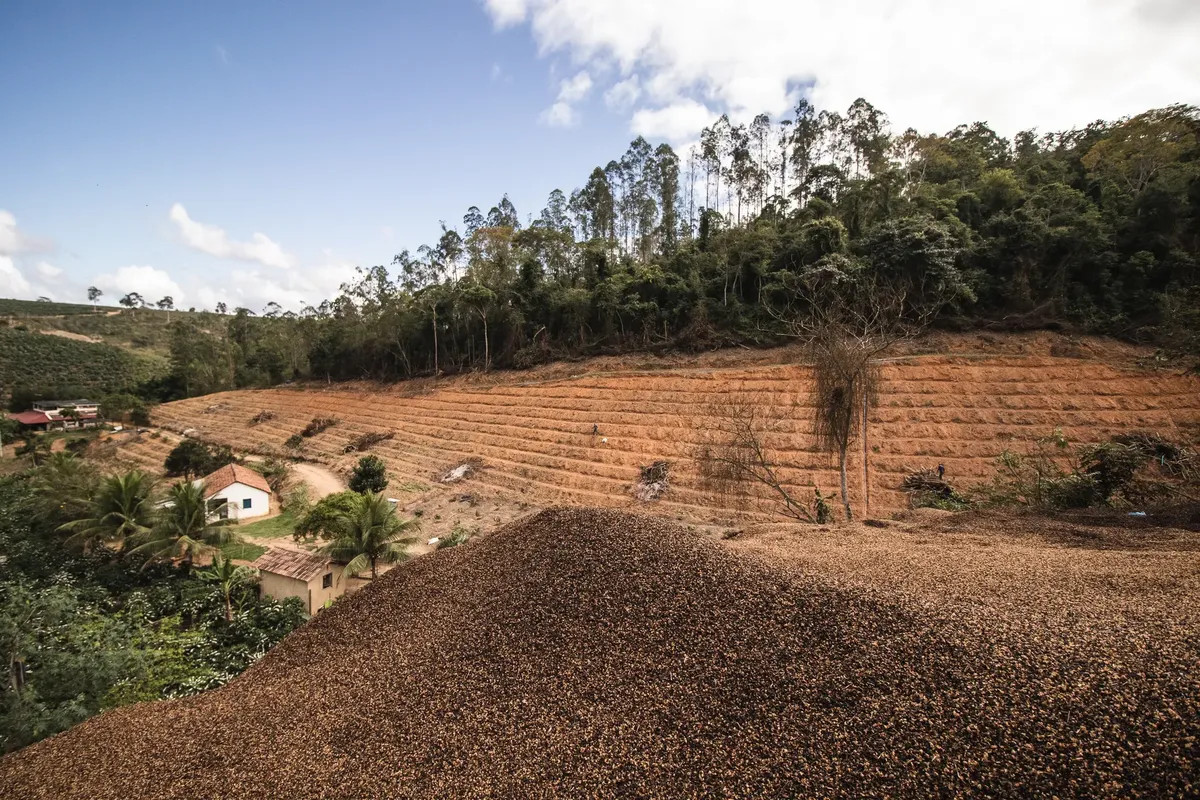
However, the situation changed drastically during the 1980s and 1990s.
During the late 1990s, deforestation intensified, averaging between 15,000 and 20,000 km² annually. This expansion was fueled by subsidized credit for cattle ranching and soybean cultivation. I watched how these drivers moved into cleared pastures and fields, fundamentally altering the landscape.
| Period | Annual Deforestation Trend |
|---|---|
| Late 1990s | 15,000–20,000 km² |
| Early 2000s | Approximately 28,000 km² |
Can technology actually stop forest loss? A technician monitors a glowing screen in a high-tech command center, watching satellite feeds scan the canopy. They wait for a pixel to change color, signaling a new disturbance in the trees.
Effective monitoring has historically led to measurable improvements in forest protection. In 2011, data from the Brazilian Ministry of Environment showed a decrease in deforestation rates in the Amazon Rainforest. This success was supported by technological tools used by the government.
Brazil's National Institute for Space Research (INPE) has helped reduce deforestation levels over the course of 2011 through its Real Time Deforestation Detection System (DETER). This system allows for quicker responses to illegal activities.
Recent declines to 6,288 km² in 2024 reflect intensified policing made possible by such oversight.
What economic factors drive land clearing?
A farmer stands in a vast field of soy, looking toward the distant treeline where the forest meets the farm. They consider the market prices for beef and grain that dictate every move they make.
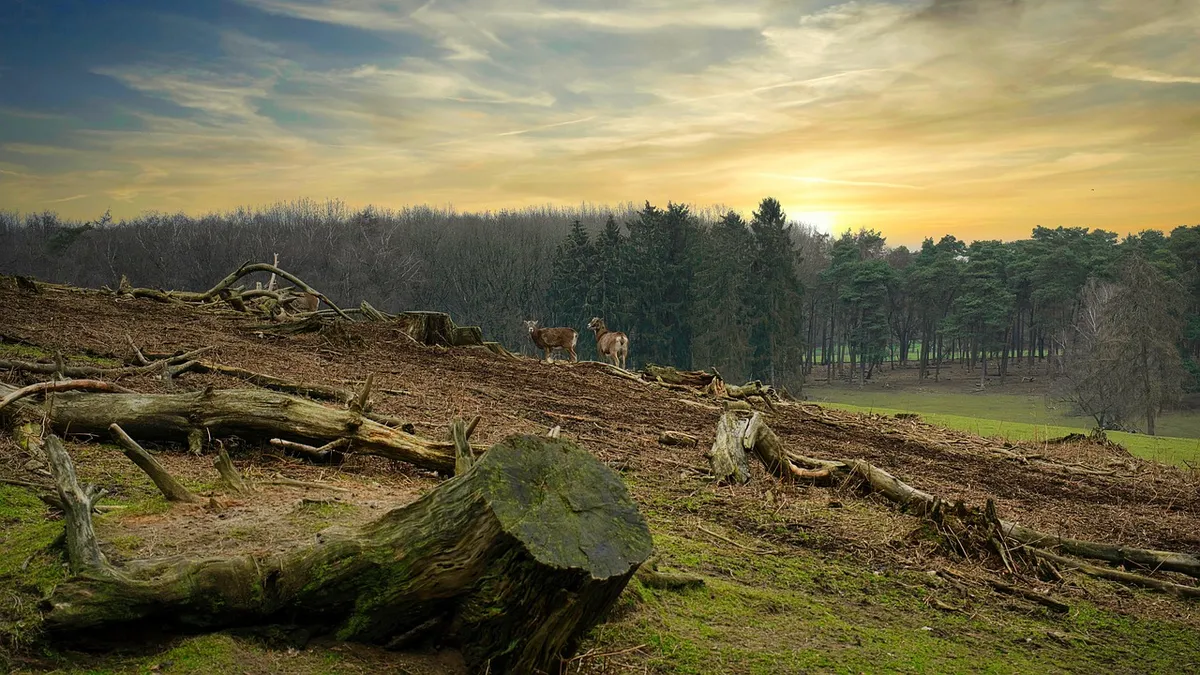
The tension between economic growth and environmental policy is evident in the commodities market. Cattle ranching has emerged as a dominant driver, accounting for up to 80% of clearing. This occurs because low productivity pastures require vast areas to meet growing domestic and export demands.
Soybean production follows as a key driver, with conversion concentrated in 370 municipalities that linked to 95% of soy-related deforestation in 2022. These agricultural incentives continue to create demand-side pressures.
Even as policing increases, the desire for beef and soy exports incentivizes illegal clearing in frontier states like Pará and Mato Grosso.
How do different biomes respond to these policies?
A biologist walks through the tall grasses of the Cerrado, noting how the landscape differs from the dense Amazonian canopy. They record data on how different ecosystems react to human activity.
Not all biomes follow the same pattern of decline or growth. While the Amazon has seen significant reductions, other areas face different pressures. For example, the Cerrado biome experienced a 25.7% deforestation drop in 2024.
However, the Cerrado surpassed Amazon losses for the first time in recent monitoring periods. In early 2024, data showed the Pantanal saw a 77.2% reduction, though fires unrelated to clearing rose 14%, exacerbating degradation.
This shows that even when clearing decreases, other environmental stressors can remain high.
What steps can be taken to address deforestation?
A community leader gathers neighbors in a small town hall to discuss land rights and sustainable practices. They go through a checklist of actions to ensure their local impact is positive.
To address the complexities of forest loss, several practical approaches are often utilized:
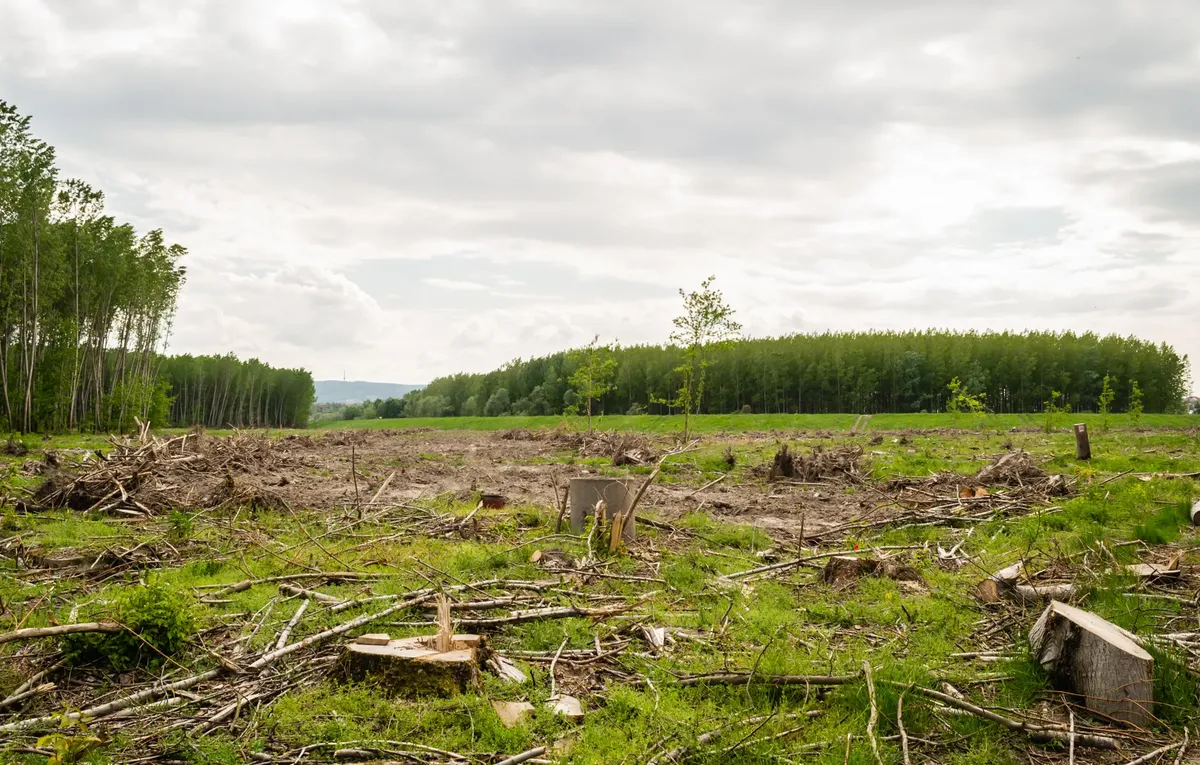
- Strengthen the enforcement of environmental laws through increased policing in frontier zones. 2. Implement real-time monitoring systems like DETER to detect illegal clearing immediately. 3. Promote sustainable agricultural practices that reduce the need for new land conversion.
After choosing a path, a final check of the local land-use permits is necessary to ensure compliance. I have seen how these steps must be coordinated to be effective.
It is important to note that these solutions may not be effective in areas where weak enforcement and high agribusiness demand overlap.
World Bank Based on the retained excerpt mentioning World Bank: According to World Bank data, Brazil recorded GDP growth of 2.3% in 2025.
- What are the primary environmental problems in Brazil?
- How has deforestation changed over time?
- Can technology help reduce forest loss?
Related




Comments 0